Why Does Paint Protection Film Develop a Cloudy Appearance?
GET A QUOTE CALL (770) 722-3486Paint protection film is designed to maintain a vehicle's original appearance while protecting its painted surfaces from road debris, minor scratches, stains, and everyday environmental exposure. However, some vehicle owners notice that their film develops a cloudy, hazy, or milky appearance after installation or following extended use. This change can affect the vehicle's shine and make the protected panels look less clear than expected. Cloudy Paint Protection Film can develop for several reasons, including trapped moisture, surface contamination, adhesive problems, installation mistakes, and natural aging. While certain types of haze may disappear as the film cures, persistent cloudiness can indicate an issue that requires professional attention. Understanding these causes helps vehicle owners in Atlanta, GA, maintain the appearance and performance of their PPF.
What Causes Paint Protection Film to Develop a Cloudy Appearance?
A cloudy appearance can develop when something affects the transparency of the film or the surface beneath it. The issue may be temporary after installation or become noticeable as the protective layer ages. Identifying the source of the haze is important because different problems require different solutions.
Trapped Moisture Beneath the Film
Trapped moisture is one of the common reasons for temporary cloudiness following PPF installation. During application, installers use an appropriate solution to position the film against the vehicle's painted surface, and small amounts of moisture may remain underneath after the film is applied. This can create a milky appearance, cloudy patches, or small water pockets that become less noticeable as the film cures. The time required for this process can vary depending on the product, installation conditions, and surrounding temperature. Vehicle owners should follow the installer's aftercare instructions and allow the recommended curing period before assuming the film has a permanent defect.
Surface Contamination and Improper Preparation
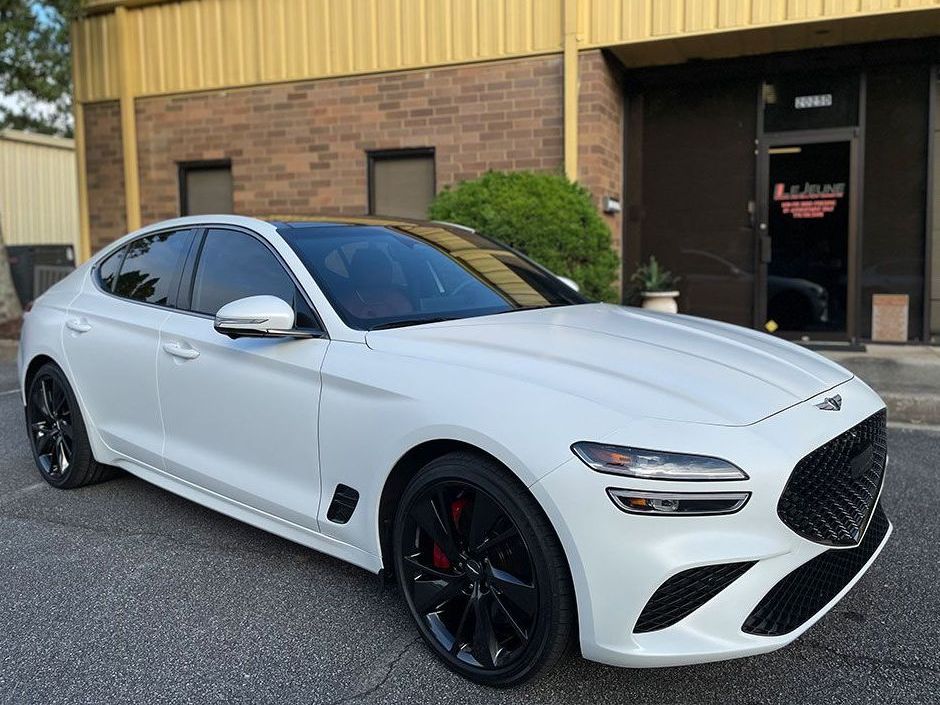
Dust, dirt, oil, mineral deposits, and other contaminants can interfere with the clarity of paint protection film when the surface is not properly prepared. Even small particles trapped between the film and paint can remain visible after installation, creating uneven patches or a slightly cloudy finish. Existing paint imperfections can also become more noticeable because the transparent film follows the condition of the surface beneath it. This is why proper cleaning and preparation are essential before application. At LeJeune Ceramic Coating & Paint Protection, light paint correction is performed to address suitable existing surface defects before the selected PPF is installed, helping the finished film present a cleaner and more consistent appearance.
Adhesive Problems and Film Compatibility
The adhesive layer plays an important role in keeping paint protection film properly bonded to the vehicle's surface. Uneven adhesive contact, application problems, or deterioration over time can contribute to cloudy areas, inconsistent transparency, and visible patches beneath the film. In some situations, an unsuitable combination of products or incorrect handling during installation may also affect the final appearance. These issues should not automatically be treated as normal curing because persistent adhesive-related haze may not disappear on its own. A professional inspection can help determine whether the affected area needs additional curing time, corrective attention, or replacement.
How Can Improper PPF Installation Affect Film Clarity?
Installation technique has a direct influence on how clearly paint protection film sits against a vehicle's painted panels. Incorrect positioning, uneven application pressure, and inadequate preparation can create imperfections that remain visible after the work is completed. These problems are particularly important on vehicles with curved bumpers, sharp body lines, and complex exterior shapes.
Uneven Film Application and Air Pockets
Paint protection film needs to be positioned and applied carefully to maintain consistent contact with the painted surface. If the installer does not remove application solution and air evenly, small pockets may remain beneath the material, creating bubbles, cloudy spots, or irregular patches. These imperfections can become more noticeable under direct sunlight or bright garage lighting. Applying excessive pressure in one area while neglecting another can also affect the finish. Proper squeegee techniques, controlled application, and careful inspection help reduce the possibility of visible installation defects and support a smooth, transparent result.
Incorrect Temperature and Installation Conditions
Temperature and humidity can influence how paint protection film behaves during installation and curing. Working in unsuitable conditions may affect the film's flexibility, the handling of the adhesive, and the amount of time needed for moisture to evaporate. Excessively hot surfaces can make positioning and handling more challenging, while cooler conditions may slow the curing process. Humidity can also influence how quickly moisture evaporates from the installation area. Professional installers consider the product manufacturer's recommendations and the surrounding environment to create suitable application conditions and reduce the risk of clarity-related problems.
Improper Film Stretching and Panel Alignment
Modern vehicles have different body shapes, including deep curves, sculpted bumpers, recessed sections, and sharp design lines. Applying excessive tension while stretching PPF across these areas can affect how evenly the film sits against the surface. Incorrect alignment may create wrinkles, uneven edges, or areas where the material does not maintain proper contact. These imperfections can influence both the appearance and long-term performance of the installation. LeJeune Ceramic Coating & Paint Protection measures, cuts, and hand-applies its PPF to vehicle-specific painted surfaces, allowing the installation process to account for different panel shapes and coverage requirements.
Can Cloudy Paint Protection Film Become Clear After Installation?
Not every cloudy appearance indicates that paint protection film has been damaged or installed incorrectly. Freshly applied film may temporarily look hazy because moisture and application solution need time to evaporate during the curing process. Small water pockets or a slightly milky appearance can gradually become less noticeable as the material settles against the painted surface. However, the expected curing time depends on the particular STEK product, installation environment, and manufacturer's guidance. Vehicle owners should avoid pressing bubbles, lifting edges, or using heat to speed up the process without professional instructions. If the haze remains after the recommended curing period, becomes worse, or appears alongside adhesive separation, a professional inspection can help identify the underlying problem.
How Do Aging and Heat Exposure Affect PPF Transparency?
Long-term environmental exposure can gradually influence the clarity and appearance of paint protection film. Continuous sunlight, ultraviolet radiation, high temperatures, and outdoor contaminants may contribute to changes in the film's surface and adhesive layer over time. Atlanta, GA, experiences hot summer conditions and periods of strong sunlight, which can increase the environmental demands placed on vehicles parked outdoors. Although quality PPF is designed to withstand everyday exposure, no protective material remains unaffected by all environmental conditions indefinitely. Aging may contribute to discoloration, reduced transparency, surface deterioration, or adhesive-related problems. Regular inspection helps identify changes early and determine whether the film can continue providing a clean appearance or needs professional attention.
Can Improper Cleaning and Surface Care Make PPF Look Cloudy?
Maintenance habits also influence how paint protection film looks after installation. Road grime, mineral deposits, water spots, and chemical residue can collect on the outer surface and reduce its clarity, even when the material underneath remains in good condition. Using harsh cleaning chemicals, abrasive tools, or unsuitable washing products may affect the film's top layer and create unwanted surface marks. Vehicle owners should use cleaning products recommended for their particular PPF, wash with suitable materials, and dry the surface carefully to reduce water spotting. LeJeune Ceramic Coating & Paint Protection highlights the hydrophobic properties of its STEK film, which help repel environmental and human-made contamination. However, these properties do not eliminate the need for regular and appropriate vehicle care.
When Should Cloudy Paint Protection Film Be Professionally Inspected?
Professional inspection becomes important when cloudiness does not improve after the recommended curing period or appears alongside other visible defects. Persistent milky patches, yellowing, bubbling, lifting edges, adhesive separation, and uneven discoloration may indicate that the film has developed a problem beyond temporary installation moisture. The condition of the paint underneath should also be considered, particularly when the vehicle has experienced an impact or the film has been damaged. A qualified installer can examine the affected panel, determine whether the issue is limited to the film, and recommend the appropriate next step. In some situations, additional curing time or maintenance may be sufficient, while severely affected material may need to be removed and replaced.
How Can Professional PPF Installation Help Maintain a Clear Finish in Atlanta, GA?
Choosing an experienced installer is an important step toward achieving a smooth, transparent, and consistent PPF finish. Professional application involves more than placing film over painted panels; it requires careful surface preparation, suitable product selection, accurate measurements, and attention to the vehicle's design. We provide
STEK paint protection film installation in Atlanta, GA, with coverage options for different vehicle sizes and protection requirements. Our team measures, cuts, and hand-applies the film to help it follow the vehicle's painted surfaces while maintaining a clean appearance. The available packages include front bumper, full front end, daily driver, and full-body coverage, allowing owners to select protection according to their needs.

Selecting the Right Coverage for Your Vehicle
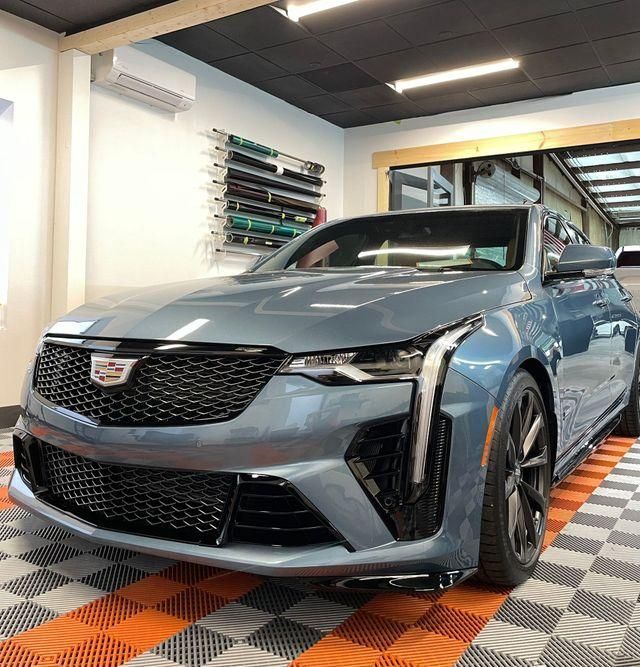
Coverage selection also influences which areas receive protection and how the vehicle's exterior is maintained. Front bumpers and other high-impact areas may benefit from targeted coverage, while drivers seeking broader protection can consider full front-end or full-body options. We also offer matte and satin STEK PPF choices for owners interested in a different exterior finish. Before installation, the painted surface should be cleaned and inspected, with suitable light paint correction used to address existing imperfections. This preparation helps prevent underlying defects from becoming more noticeable through the transparent film. If installed PPF becomes damaged, the team can inspect the affected panel and replace the film on a panel-specific basis when necessary.
Maintaining Clear and Long-Lasting Paint Protection Film
Cloudy paint protection film can result from trapped moisture, contamination, adhesive problems, improper installation, aging, heat exposure, or unsuitable surface care. Some haze is temporary and may disappear during the recommended curing period, while persistent cloudiness can indicate a condition that requires professional inspection or replacement. Understanding the difference helps vehicle owners avoid unnecessary removal and make informed maintenance decisions. For drivers in Atlanta, GA, LeJeune Ceramic Coating & Paint Protection provides STEK PPF installation, vehicle-specific application, and panel-specific replacement services to help maintain a clean, glossy, and protected exterior.
Contact us to discuss your paint protection film requirements and request a free estimate for your vehicle.