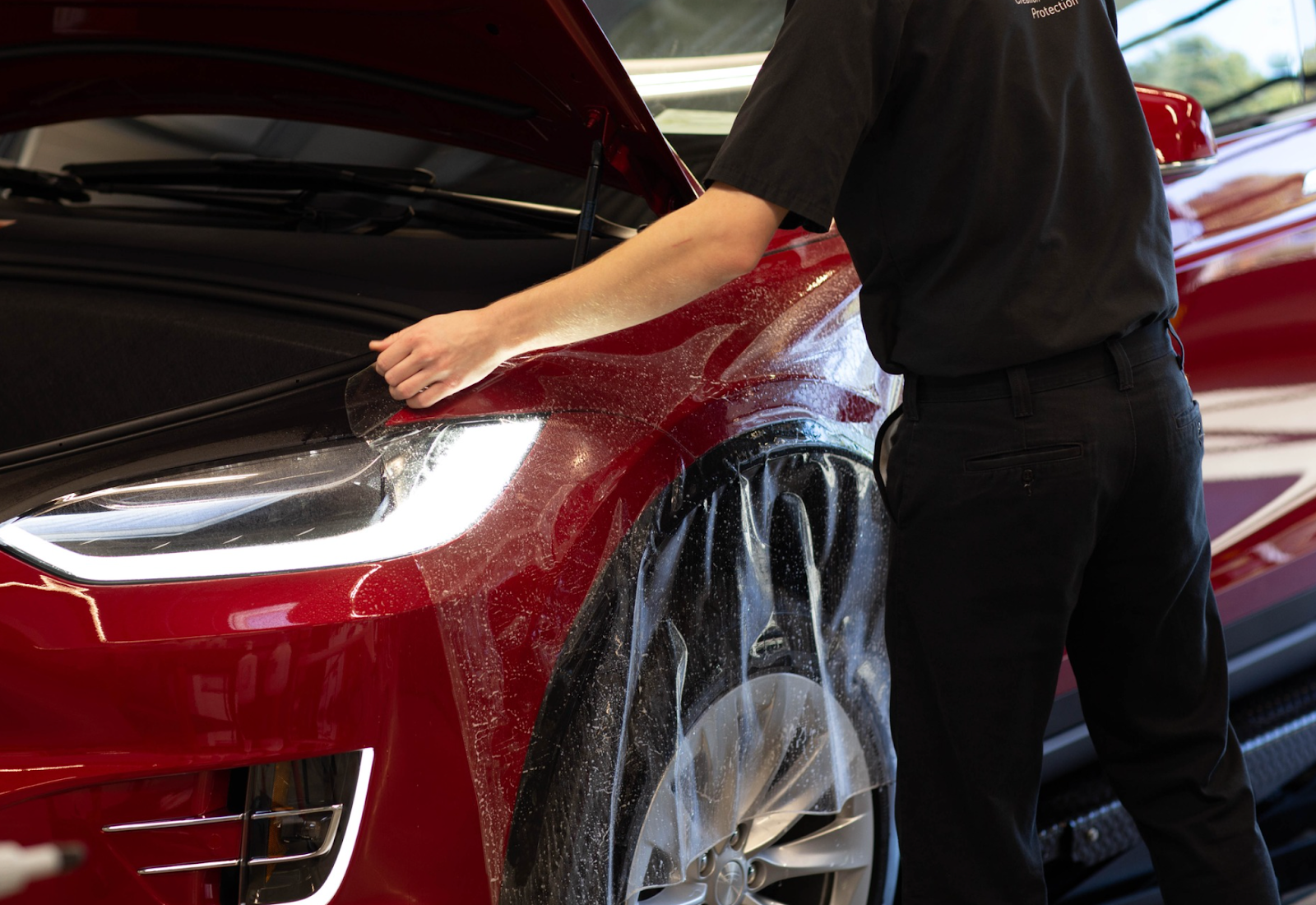
What Vehicle Owners Should Know About PPF Maintenance
GET A QUOTE CALL (770) 722-3486Paint protection film provides a durable barrier against road debris, light surface marks, environmental contaminants, and other conditions that can affect a vehicle’s finish. However, the film still requires consistent care to preserve its clarity, adhesion, and protective performance. Proper PPF maintenance includes gentle washing, safe cleaning products, careful drying, prompt stain removal, and close attention to edges. These practices are especially important for vehicles driven throughout Atlanta, GA, where traffic grime, pollen, sunlight, insects, and changing weather can leave residue on exterior surfaces. Following a suitable care routine helps vehicle owners maintain the clean appearance and dependable protection they expect from professionally installed film. LeJeune Ceramic Coating & Paint Protection provides professional paint protection film installation in Atlanta, GA, for lasting vehicle surface protection.
Why Regular PPF Maintenance Matters
Regular maintenance helps paint protection film remain clean, clear, and securely attached to the vehicle. Dirt and contaminants that remain on the surface for too long can create staining, dullness, and buildup around seams or edges. Frequent cleaning also gives owners an opportunity to notice lifting, damage, or changes in the film before they become more difficult to address. Although quality film is designed to handle everyday driving conditions, neglect can gradually interfere with its appearance and performance. A consistent PPF maintenance schedule allows Atlanta vehicle owners to protect their investment while helping the film continue supporting the finish beneath it.
How to Wash a Vehicle with Paint Protection Film
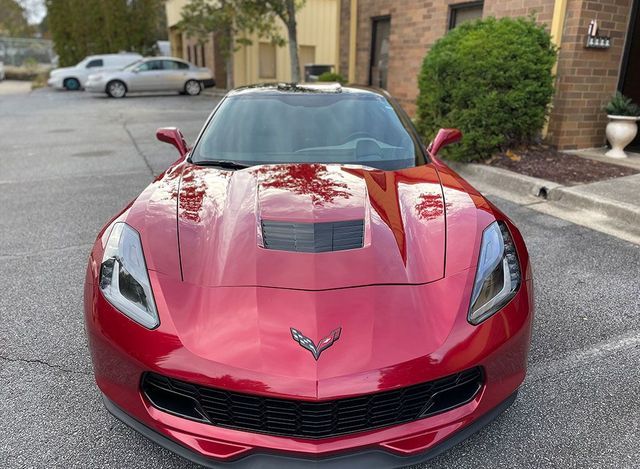
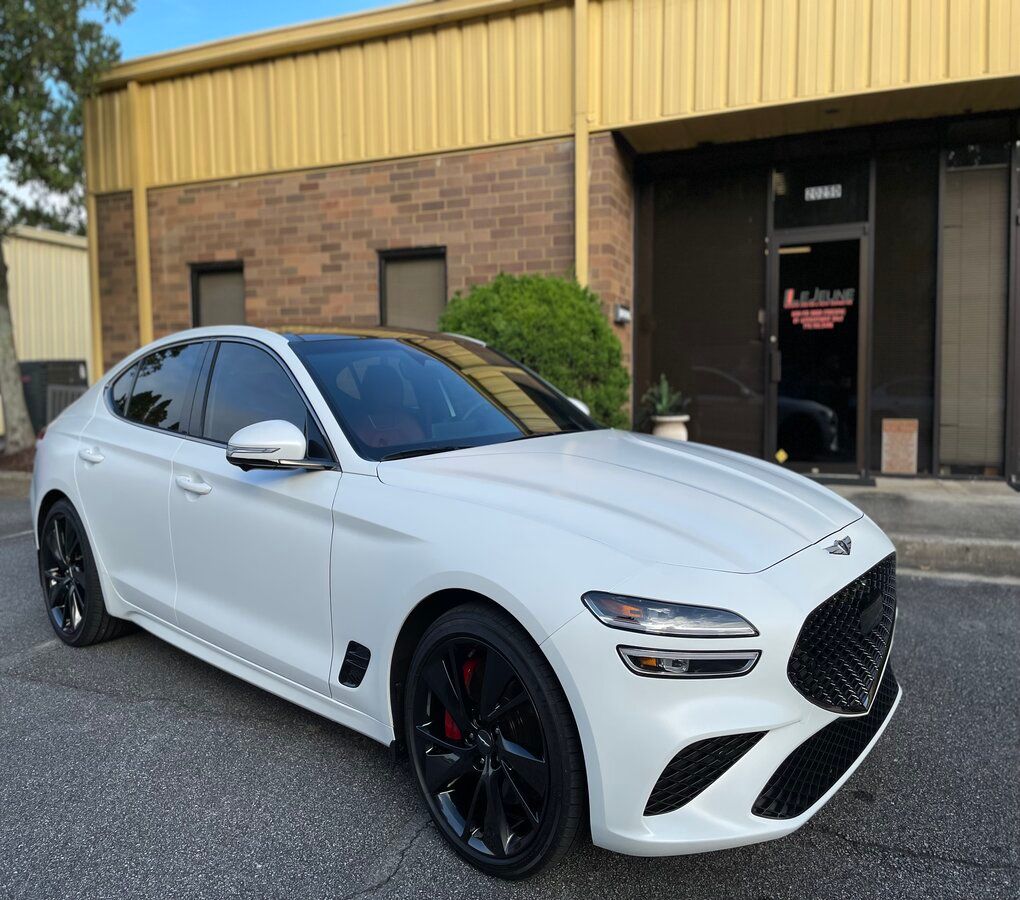
Washing a PPF-covered vehicle requires a gentler and more controlled approach than quickly removing visible dirt. The goal is to lift contaminants away without creating unnecessary friction or placing pressure on the film’s edges. Clean equipment, suitable automotive soap, and careful movements can reduce the risk of marks, trapped debris, and premature lifting. Vehicle owners should also consider how recently the film was installed because newly applied material needs time to settle. When washing is performed correctly, it supports the film’s clarity, surface condition, and long-term adhesion.
Allow the Film to Settle Before the First Wash
Newly installed paint protection film should be given adequate time to settle before it is exposed to washing, heavy rain, or high-pressure water. Moisture may still be present beneath the film immediately after installation, and small pockets or a slightly hazy appearance can be part of the settling process. Washing too soon may place unnecessary stress on corners, seams, and wrapped edges before the adhesive has stabilized. Vehicle owners should follow the specific waiting period provided by their installer because conditions can vary by vehicle and installation. This early patience creates a better foundation for effective PPF maintenance throughout the film’s service life.
Use a Gentle Hand-Washing Method
A careful hand wash provides greater control over water pressure, cleaning movements, and the amount of contact placed on the film. Begin with a thorough rinse to loosen pollen, dust, grit, and road residue before touching the vehicle with a wash mitt. Work from the upper panels downward so heavier contamination near the lower body is not transferred across cleaner sections. A soft, clean microfiber mitt can help remove residue without creating aggressive friction against the film. For vehicles driven regularly around Atlanta, frequent gentle washing can prevent traffic grime and environmental buildup from remaining on the protected surfaces.
Choose Cleaning Products That Are Safe for PPF
Cleaning products used on paint protection film should be gentle enough to remove ordinary contamination without affecting the film’s surface or adhesive. A pH-neutral automotive shampoo is generally suitable because it cleans without relying on highly aggressive chemical ingredients. Rough brushes, abrasive compounds, strong solvents, and household cleaners should not be used unless the film manufacturer or professional installer has specifically approved them. Even a suitable product should be applied according to its directions and rinsed away completely. Using appropriate products during every wash helps protect the appearance, hydrophobic qualities, and clarity of the professionally installed film.
Drying Techniques That Protect the Film
Drying is an important part of PPF maintenance because water left on the vehicle can produce mineral deposits or visible spotting. Use clean, soft microfiber drying towels and move them gently across the protected panels without pulling forcefully at seams or corners. Lightly blotting areas near exposed edges can reduce unnecessary stress while still removing moisture effectively. A suitable automotive air dryer may also help clear water from mirrors, panel gaps, and other detailed areas with less physical contact. Atlanta’s warm conditions can cause water to evaporate quickly, so drying the vehicle promptly in a shaded location can help maintain a cleaner, more uniform finish.
How to Care for PPF Edges and Seams
The edges and seams of paint protection film deserve special attention because aggressive cleaning can weaken these vulnerable areas. Avoid directing high-pressure water toward the edge of the film, particularly from a close distance or an angle that could force water beneath it. Wash mitts and drying towels should pass carefully over seams rather than catching or pulling against them. Dirt that gathers along an edge should be addressed gently instead of being scraped away with a fingernail, brush, or sharp object. Regular inspection and careful cleaning help prevent grime buildup while reducing the possibility of lifting that could affect the film’s appearance and coverage.
Preventing Stains and Contaminant Buildup
Bird droppings, bug residue, tree sap, pollen, and road grime should be removed as soon as reasonably possible because prolonged contact may make them more difficult to clean. Atlanta’s sunlight and heat can cause some contaminants to dry quickly, increasing the chance that they will leave visible residue on the film. Owners should soften affected material with a film-safe cleaner and a clean microfiber towel rather than scrubbing the area aggressively. Allowing the product time to loosen the contamination can reduce the amount of friction needed. Prompt removal supports the film’s clean appearance and helps prevent buildup from interfering with its clarity, surface condition, or protective top layer.
PPF Maintenance Mistakes That Can Reduce Performance
Certain cleaning habits can gradually affect paint protection film even when the damage is not immediately visible. Harsh products, excessive pressure, rough tools, and delayed contaminant removal may weaken the film’s finish or create problems around its edges. Vehicle owners should approach maintenance with the same level of care they would give to the painted surface beneath the film. Understanding which practices to avoid makes it easier to preserve consistent coverage and a clean appearance. Thoughtful care also reduces the possibility of turning a minor maintenance concern into a section that requires professional attention.
Using Harsh Chemicals or Abrasive Materials
Strong chemicals and abrasive materials can damage the surface of paint protection film or change how it looks under direct light. Household cleaners, stiff brushes, rough sponges, and aggressive polishing products may leave marks, reduce clarity, or interfere with the film’s top layer. A dirty microfiber towel can also act like an abrasive because trapped grit may be dragged across the protected panel. Every wash should begin with clean tools that are reserved for vehicle care and checked for embedded debris. Selecting mild products and soft materials allows owners to clean effectively without placing the film under unnecessary chemical or physical stress.
Applying Excessive Pressure Near Film Edges
Pressure washers can help remove loose dirt, but improper use may force water against the edges and contribute to lifting. The nozzle should remain at a safe distance, and the spray should not be directed upward into a seam, corner, or partially exposed edge. Automatic car washes with strong brushes can also create repeated contact that places stress on the film and its edges. Hand washing gives owners better control over pressure an movement, particularly around bumpers, mirrors, and complex body panels. Treating these areas carefully supports secure adhesion and helps the installation maintain a smooth, well-finished appearance.
Ignoring Contamination, Lifting, or Surface Damage
Small concerns should not be ignored because they may become more noticeable with continued exposure to dirt, moisture, and regular driving. A lifted edge can collect contamination underneath, while damaged film may no longer provide consistent coverage across the affected section. Owners should not cut, pull, or attempt to secure loose material with unapproved adhesives. Instead, they should arrange a professional inspection to determine whether the area can be addressed or whether the film on that panel should be replaced. Early attention protects the surrounding installation and helps prevent improper repairs from affecting the vehicle’s finish.
Creating a Practical PPF Care Schedule in Atlanta
A practical maintenance schedule should reflect how often the vehicle is driven, where it is parked, and the contaminants it encounters. A daily driver exposed to Atlanta traffic, pollen, insects, and outdoor parking may require more frequent washing than a vehicle stored indoors and driven occasionally. Owners should check the surface between washes and remove concentrated contamination before it dries or becomes firmly attached. Edges, seams, bumpers, rocker panels, and other frequently exposed areas should also be inspected regularly for grime or lifting. Consistent attention is more effective than waiting until the entire vehicle appears heavily soiled, and it helps keep routine cleaning manageable.

When PPF Needs Professional Inspection or Replacement
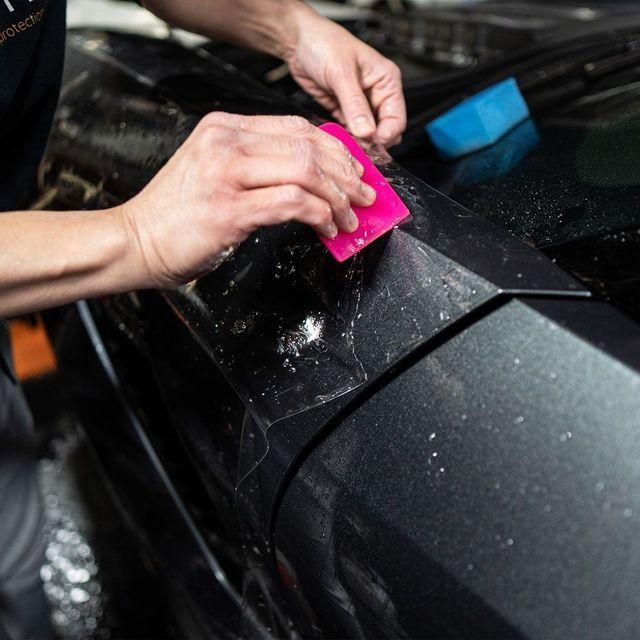
Professional attention may be necessary when the film develops persistent discoloration, significant lifting, torn sections, damaged edges, or marks caused by a strong impact. These conditions cannot always be corrected through ordinary washing, and attempting to peel or repair the material at home could affect the painted surface. At LeJeune Ceramic Coating & Paint Protection, damaged PPF can be evaluated and replaced on an individual panel when appropriate, allowing unaffected film to remain in place. The team can inspect the protected area and the finish beneath it before installing replacement material. This service-aligned approach helps Atlanta vehicle owners restore coverage without automatically replacing the film across the entire vehicle.
Preserve Long-Term Protection with Proper PPF Maintenance
Effective PPF maintenance does not require aggressive cleaning or complicated care methods. Gentle hand washing, pH-neutral products, careful drying, prompt contaminant removal, and regular edge inspections can help the film remain clear and securely attached. These habits also help preserve the hydrophobic, gloss-enhancing, and self-healing qualities associated with the STEK paint protection film services offered by LeJeune Ceramic Coating & Paint Protection. Atlanta vehicle owners should also seek professional guidance when they notice lifting, damage, or changes that routine cleaning cannot resolve.
Contact us to wschedule an inspection or request an estimate for professional PPF installation or panel replacement in Atlanta, GA.