Can Paint Protection Film Be Installed Over Ceramic Coating?
GET A QUOTE CALL (770) 722-3486Atlanta drivers who have already invested in ceramic coating often reach a point where they want an extra layer of defense against rock chips, road debris, and daily wear. That naturally raises the question of whether paint protection film can go directly over an existing ceramic coating without causing problems down the road. At LeJeune Ceramic Coating & Paint Protection, this is one of the most common questions we hear from vehicle owners across the Atlanta area, and the honest answer depends on several factors tied to the condition and history of the coating itself.
Can You Install PPF Over Ceramic Coating?
Paint protection film can technically be installed over a ceramic-coated surface, but doing so successfully requires more than simply applying the film and hoping it holds. The coating changes how the panel behaves compared to bare clear coat, which means adhesion, surface prep, and installer experience all play a much bigger role than they would on an uncoated vehicle. Every situation is different depending on the type of coating used and how well it has held up in Atlanta's heat and humidity. Because of these variables, a proper evaluation always comes before any commitment to move forward with installation.
Why Surface Condition Matters Before PPF Installation
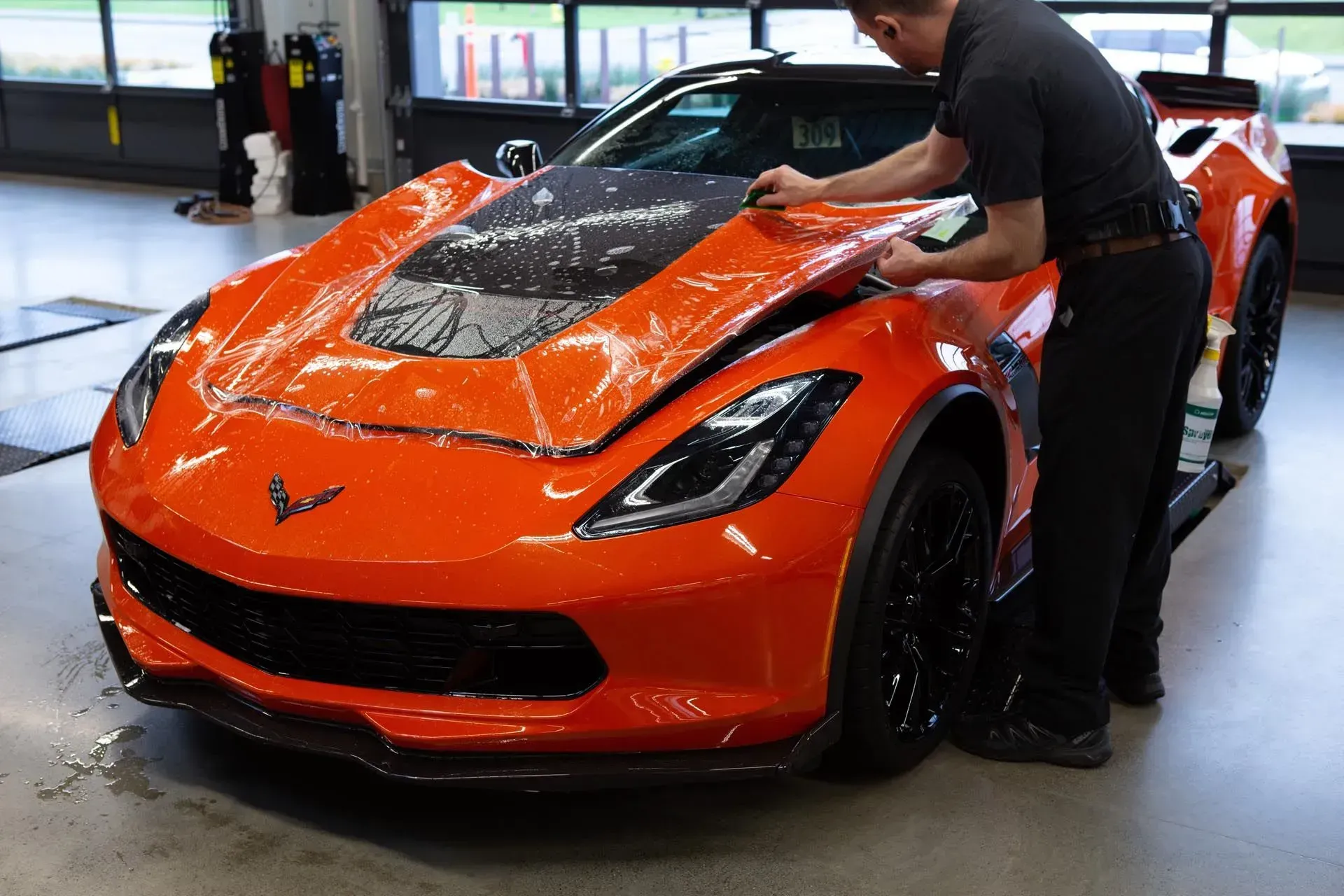
The condition of the painted surface underneath any protective product determines how well that product will perform over time, and this is especially true when layering film on top of an existing coating. A surface that looks clean to the naked eye can still carry embedded contaminants, oxidized coating residue, or micro-level inconsistencies that interfere with how the film adheres. Age plays a significant role as well, since a coating applied a year or two ago behaves differently than one applied just weeks earlier. Atlanta's climate, with its pollen season, humidity swings, and intense summer sun, can also accelerate wear on a coating in ways that are not always visible during a quick visual check. Professional
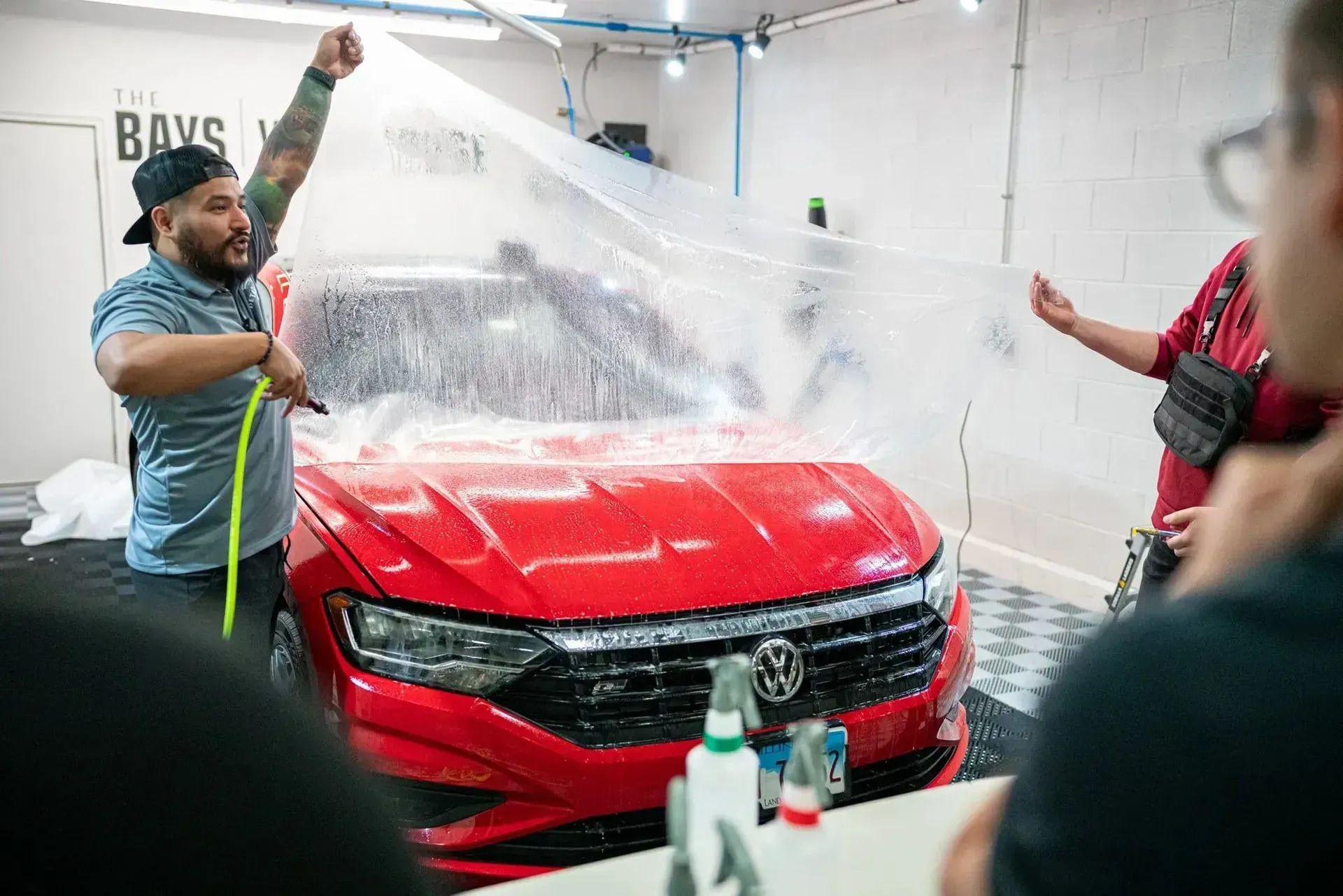
paint protection film installation begins with a detailed surface inspection to ensure the film can bond securely and provide lasting protection.
How Ceramic Coating Affects Film Bonding
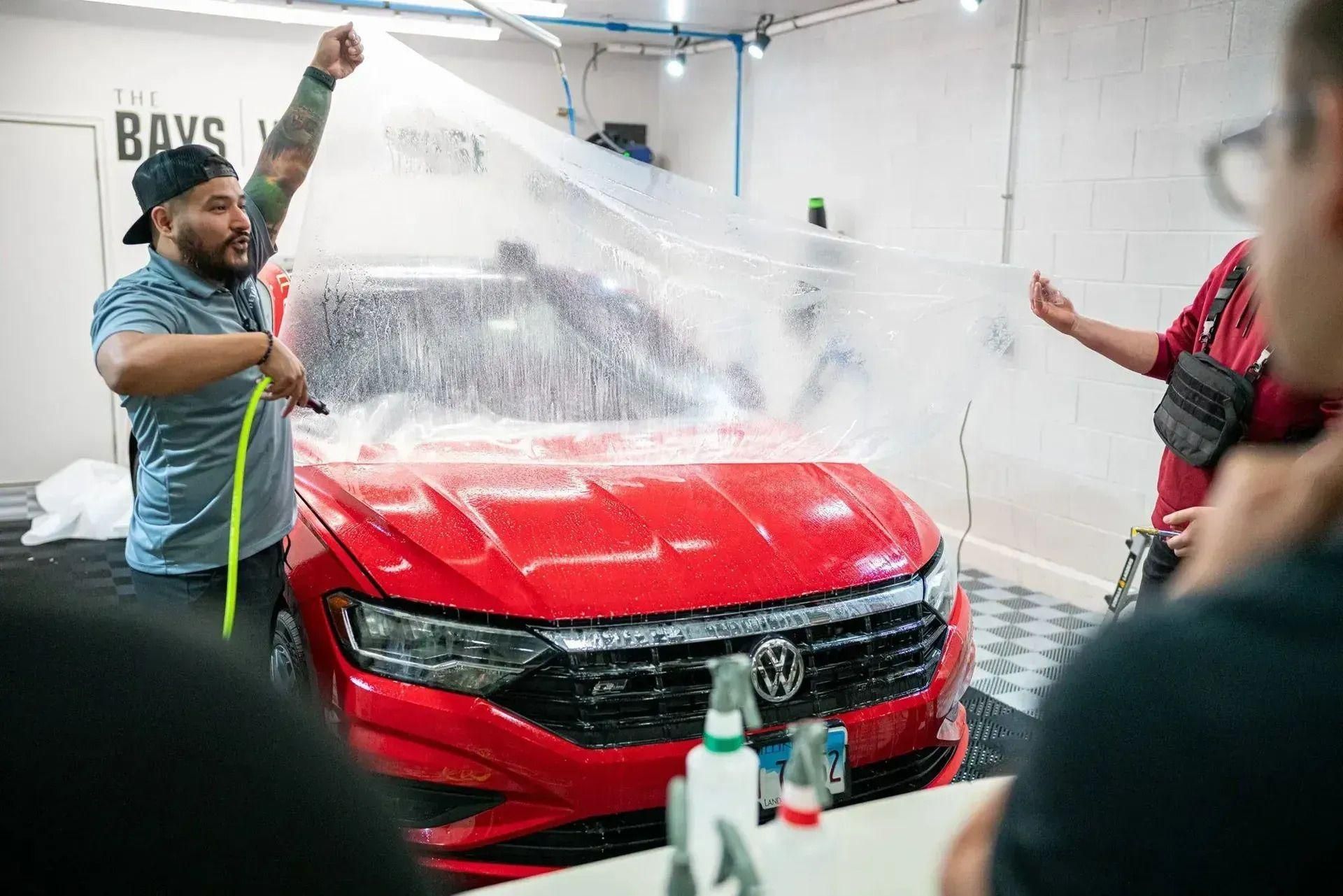
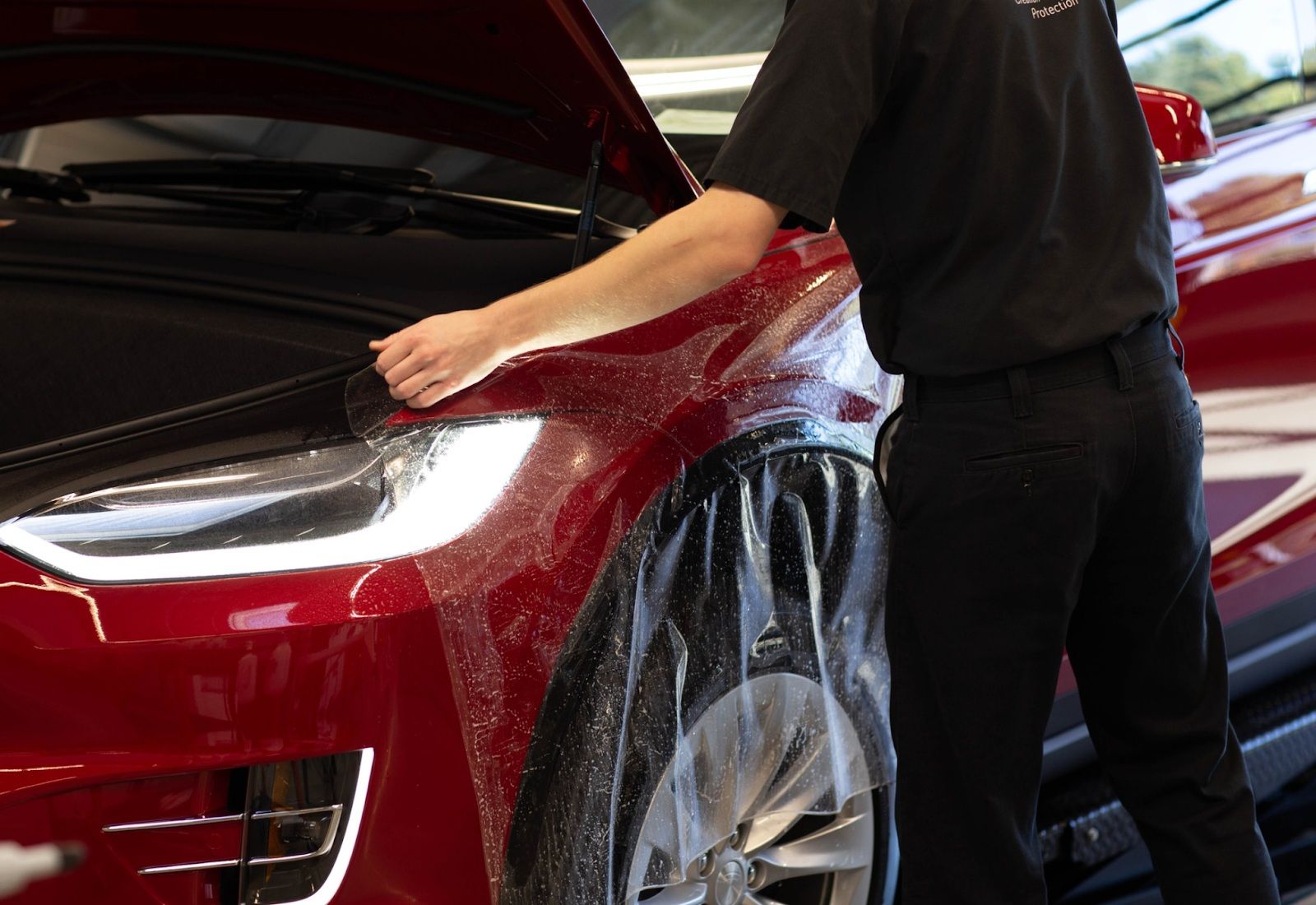
Ceramic coatings are designed to create a slick, hydrophobic barrier on the paint, and while that is exactly what makes them effective at repelling water and contaminants, it is also what makes them tricky for film adhesion. The very properties that make a coating desirable for everyday protection can work against the strong, even bond that paint protection film needs to stay in place long term.
Slick Surface Reduces Adhesive Grip
A freshly cured ceramic coating creates a low-friction, water-beading layer across the surface, and that same slickness reduces the ability of the film's adhesive to establish a firm grip on the panel. Adhesives used in professional-grade paint protection film are engineered to bond with clear coat, not with the silica or quartz-based layer that sits on top of it once a coating has been applied. When the bond is weaker than intended, the film becomes more prone to lifting at the edges, especially in areas exposed to direct sun, temperature swings, or frequent washing.
Coating Thickness and Film Contact
Ceramic coatings are not always applied in a perfectly uniform thickness across every panel, and even small variations can affect how closely the film makes contact with the surface underneath. Thicker buildup in certain areas, such as near edges, seams, or curves, can create tiny gaps where the film does not sit flush against the paint. Over time, these inconsistent contact points can become weak spots that trap air or moisture, leading to visible bubbling or peeling long before the film would normally show wear.
Inconsistent Coating Layers Across Panels
Not every panel on a vehicle receives ceramic coating in exactly the same way, particularly on cars that were coated by different providers or at different times throughout ownership. High-touch areas like door handles, mirrors, and lower rocker panels often experience more wear and may have thinner or more degraded coating compared to hoods, roofs, and fenders. This unevenness means film adhesion can vary significantly from one panel to the next, which is why a panel-by-panel evaluation matters far more than a general glance at the car as a whole.
Why Installers May Need to Remove or Prep the Coated Surface
In many cases, achieving a reliable bond for paint protection film means addressing the existing ceramic coating directly rather than working around it. This might involve partial removal, targeted preparation, or a combination of both depending on how the coating has aged and how it is distributed across the vehicle. Skipping this step almost always leads to adhesion problems that are far more costly to correct later than they would have been to prevent upfront.
Stripping Old or Worn Ceramic Coating
When a coating has broken down, become contaminated, or worn unevenly, the most reliable path forward is often to strip it before film installation begins. This process uses controlled polishing or chemical methods designed to remove the coating layer without damaging the clear coat underneath, restoring the paint to a condition that supports proper film adhesion. Attempting to install film over a compromised coating instead of removing it typically results in premature lifting, visible imperfections, or a film that simply never bonds the way it should.
Surface Decontamination Before Film Application
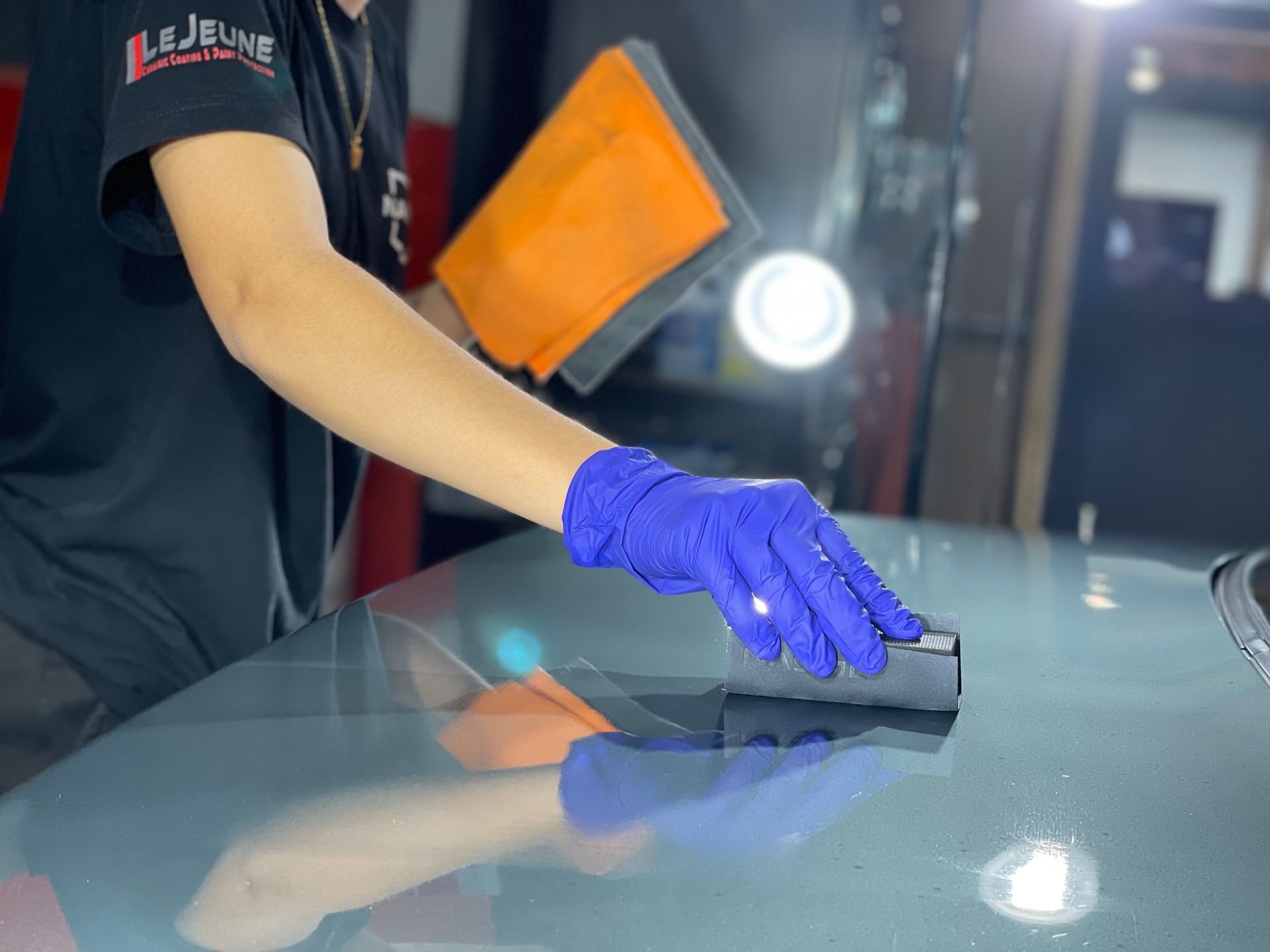
Even after any necessary coating removal, the surface still needs thorough decontamination before film can be applied with confidence. This typically involves clay bar treatments to lift embedded particles, panel wipes to eliminate oils and residues, and, in some cases, chemical decontamination to address bonded contaminants that washing alone cannot remove. Any leftover wax, sealant, or coating residue left behind can create the same adhesion problems that an unprepped coated surface would cause in the first place.
Testing Adhesion in a Small Area First
Before committing to a full installation, experienced installers will often test adhesion on a small, less visible section of the vehicle to confirm the surface is ready. This step provides a real-world check on how the film responds to the prepared surface without risking the appearance of the entire vehicle if something is off. If the test area shows signs of poor bonding, adjustments can be made before moving forward with the rest of the car, reflecting the careful standard we hold on every project that comes through our shop.
The Role of Cleaning and Decontamination in PPF Adhesion
Cleaning and decontamination are not simply preliminary steps tacked onto the beginning of an installation; they are foundational to whether the film will perform the way it is supposed to for years to come. Any trace of dirt, oil, or leftover coating residue sitting between the film and the paint acts as a barrier that prevents a full, even bond from forming. This is particularly important on vehicles driven regularly in Atlanta, where pollen, road grime, and humidity can leave behind residues that are not always obvious during a casual inspection. A properly decontaminated surface gives the adhesive the clean contact it needs to hold firmly across every contour of the vehicle.
Adhesive Compatibility Between PPF and Ceramic Coating
Not all paint protection film adhesives respond the same way when applied over a ceramic-coated surface, which is why matching the right film to the right situation matters so much. Professional-grade films used in shops like ours are engineered with adhesives designed to perform reliably across a range of surface conditions, unlike many consumer-grade or DIY kits formulated only for bare clear coat. Understanding how a specific adhesive interacts with a specific type of coating allows our team to make informed decisions about preparation and installation rather than relying on guesswork.
Risks of Installing PPF Over Improperly Prepped Ceramic Coating
Skipping proper preparation before installing film over a coated surface introduces risks that often do not show up until weeks or months after the work is done. Lifting edges, visible bubbling, and trapped moisture are among the most common issues that develop when adhesion was never fully established in the first place. Beyond the cosmetic problems, trapped contaminants beneath a failing film can actually accelerate damage to the paint underneath, creating a worse outcome than if no film had been installed at all.
Why Professional Inspection Is Essential Before Installation
A thorough professional inspection is the single most important step in determining whether a coated vehicle is truly ready for paint protection film. Trained installers know how to assess coating age, thickness, and overall condition in ways that go well beyond what a vehicle owner could evaluate on their own. This inspection typically covers panel-by-panel surface checks, adhesion testing, and a review of the vehicle's coating history to understand what preparation will actually be needed. Choosing to skip this step or relying on an inexperienced installer significantly increases the chances of adhesion failure and disappointing results.
How the Right Process Supports Long-Lasting Protection in Atlanta
Atlanta's combination of intense summer heat, heavy pollen seasons, and frequent stop-and-go traffic makes reliable paint protection especially valuable for vehicles on the road here. When the process is done correctly, starting with a full inspection, moving through any necessary coating removal, followed by decontamination, adhesion testing, and finally installation, the result is a film that bonds properly and performs as intended for years. This sequence is exactly what our team follows at LeJeune Ceramic Coating & Paint Protection, ensuring that clients throughout the Atlanta area receive film installations built on a solid, well-prepared foundation rather than shortcuts that compromise long-term results. Working with an experienced local provider who understands both ceramic coatings and film installation gives vehicle owners confidence that their investment will actually hold up under real-world conditions.
Choosing the Right Approach for Lasting Paint Protection
Paint protection film can be installed over ceramic coating, but only when the surface has been properly evaluated, prepared, and matched with the right adhesive approach for the situation. Cutting corners on inspection or decontamination tends to lead to lifting, bubbling, and disappointing results that cost more to fix than they would have to prevent. If you are considering adding film to a coated vehicle in the Atlanta area,
reach out to LeJeune Ceramic Coating & Paint Protection for a professional inspection before moving forward, so you can be confident the process is done right from the very first step.