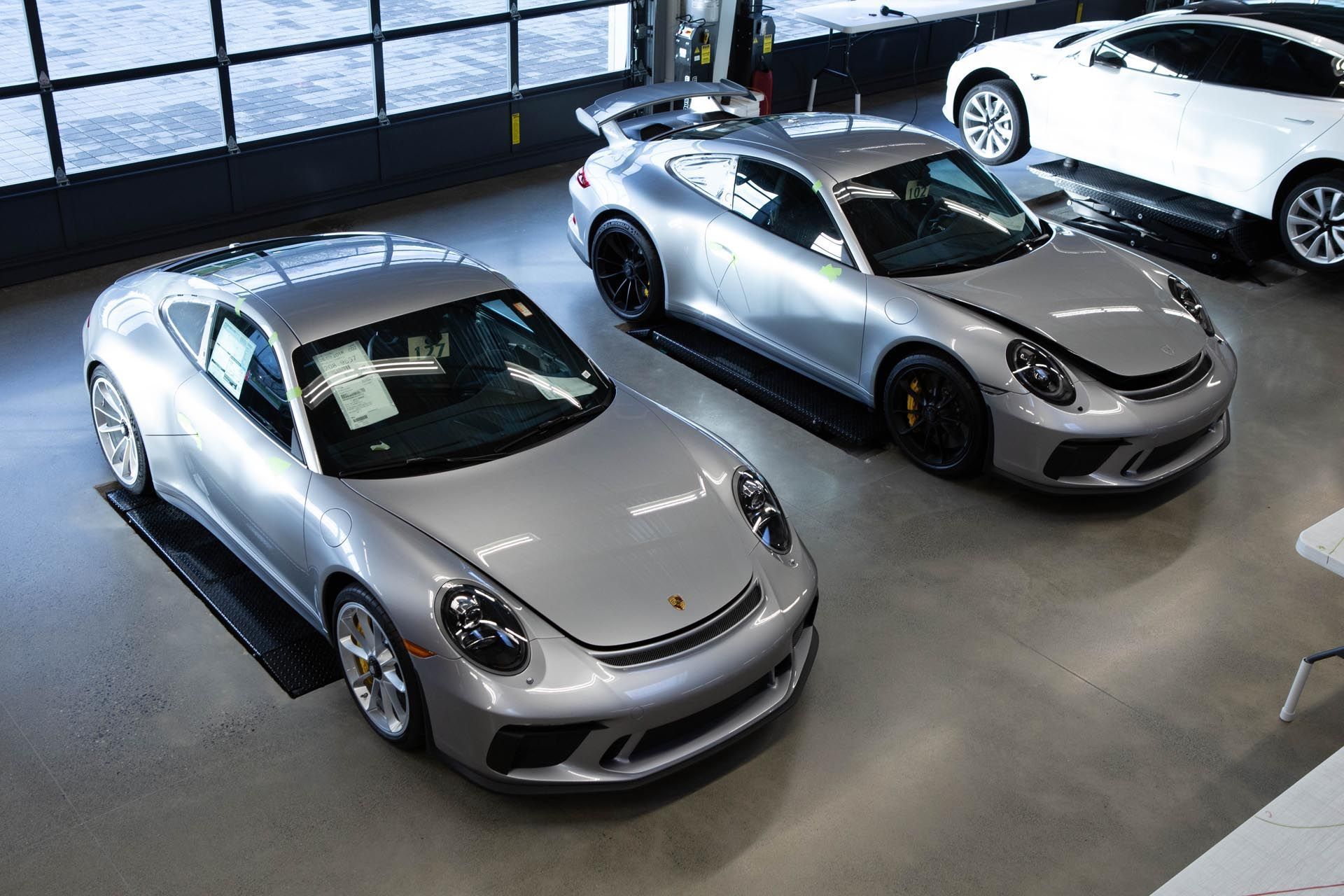
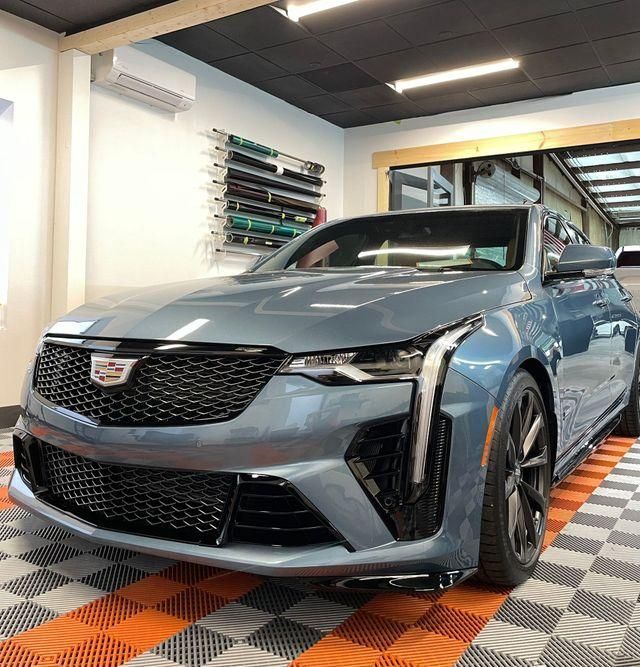
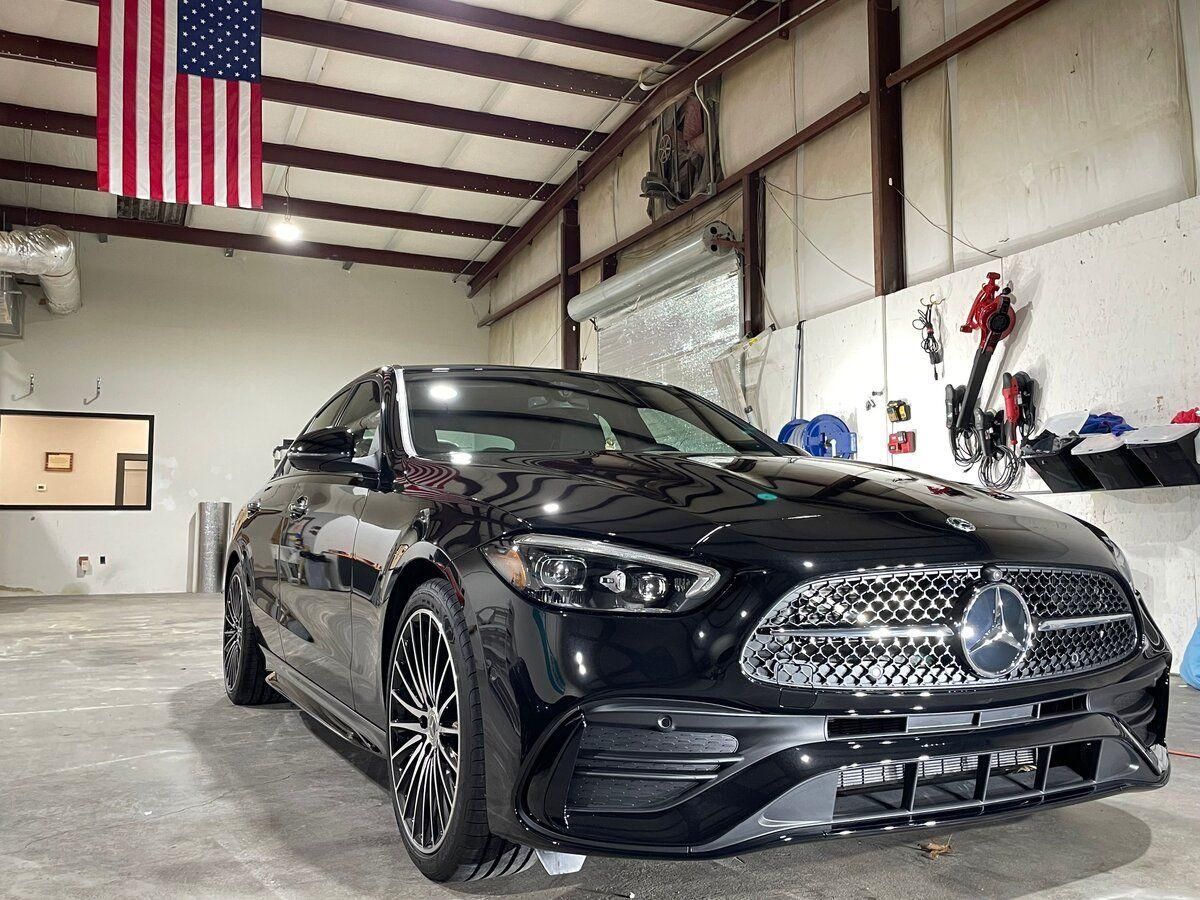
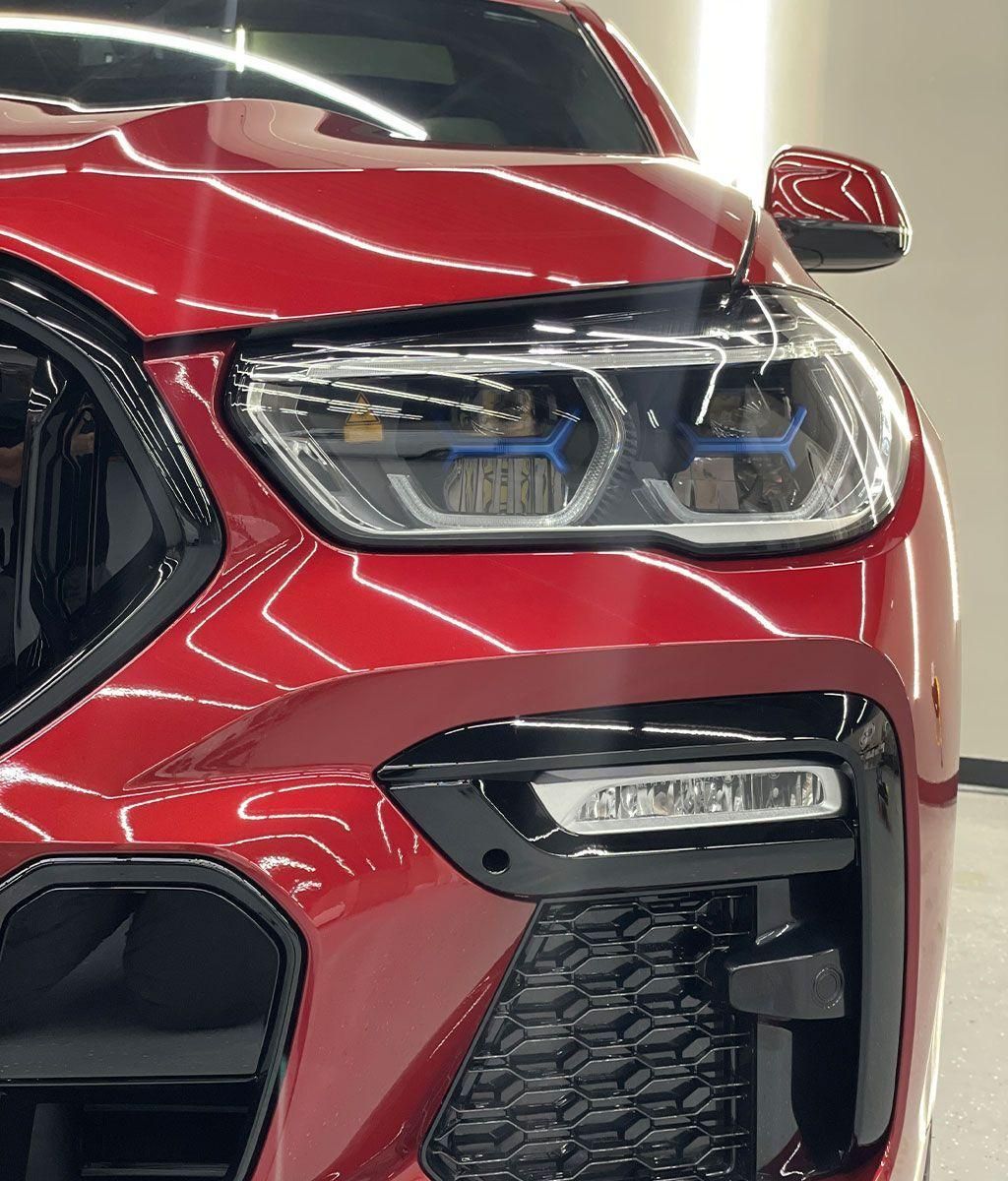
Picking up a new car is exciting, and most owners want to protect that flawless finish right away. That leads to a common question: Is it too early for ceramic coating? The short answer is no. Ceramic coating for a new car is one of the smartest ways to protect fresh paint, but the car still needs a proper inspection and preparation before any product goes on. At LeJeune Ceramic Coating & Paint Protection, we see how Atlanta’s heat, humidity, pollen, and traffic begin affecting paint from the first week. This guide covers factory paint condition, transport contaminants, light defects, polishing, and cleaning, so you know exactly what happens before coating.
Yes, a New Car Can Be Ceramic Coated, But Not Straight Off the Lot
Many owners assume new paint is perfect and ready for coating the moment they drive away from the dealership. Others believe the paint must cure for months before anything can be applied to it. Both ideas are misleading, because a car’s age matters far less than the actual condition of its surface. A new vehicle can be coated within days of delivery, provided it is inspected, cleaned, and corrected where needed first. Coating early is a real advantage, since it protects the paint before everyday exposure starts leaving marks that would otherwise require correction later.
Understanding the Factory Paint Condition on New Vehicles
Factory paint is applied by machines in controlled environments, but quality can still vary between brands, models, and even individual vehicles from the same production line. It is common to find orange peel texture, tiny dust nibs trapped in the clear coat, thin spots, or slightly uneven gloss across panels. The paint is hardened enough to leave the factory, though it can continue releasing small amounts of solvent over time. That is why the team at
LeJeune Ceramic Coating & Paint Protection carefully inspects each new vehicle under strong, angled lighting before applying any coating. Spotting these characteristics early helps us determine what the paint needs so the ceramic coating can bond to a properly prepared surface and deliver the finish you expect.
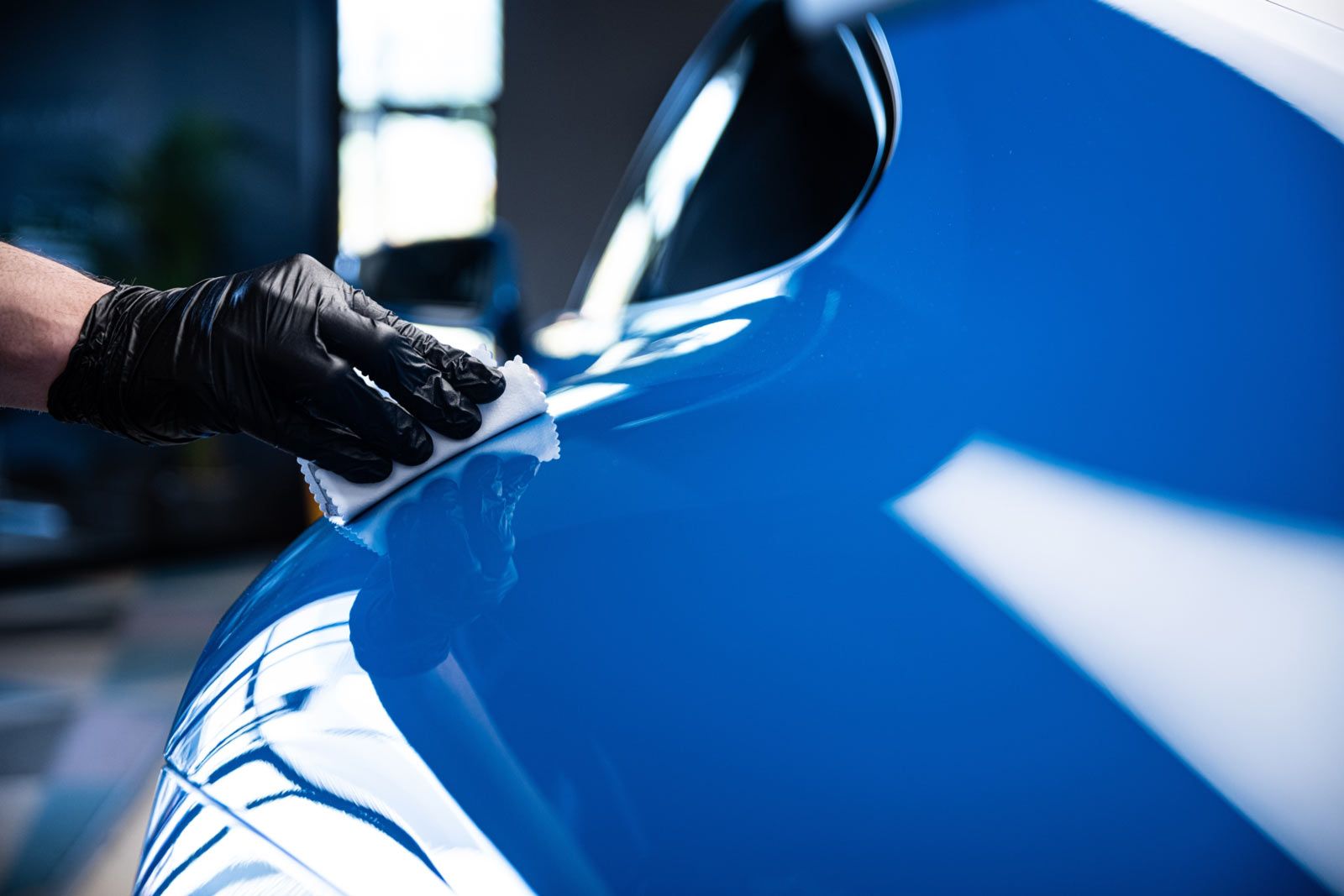
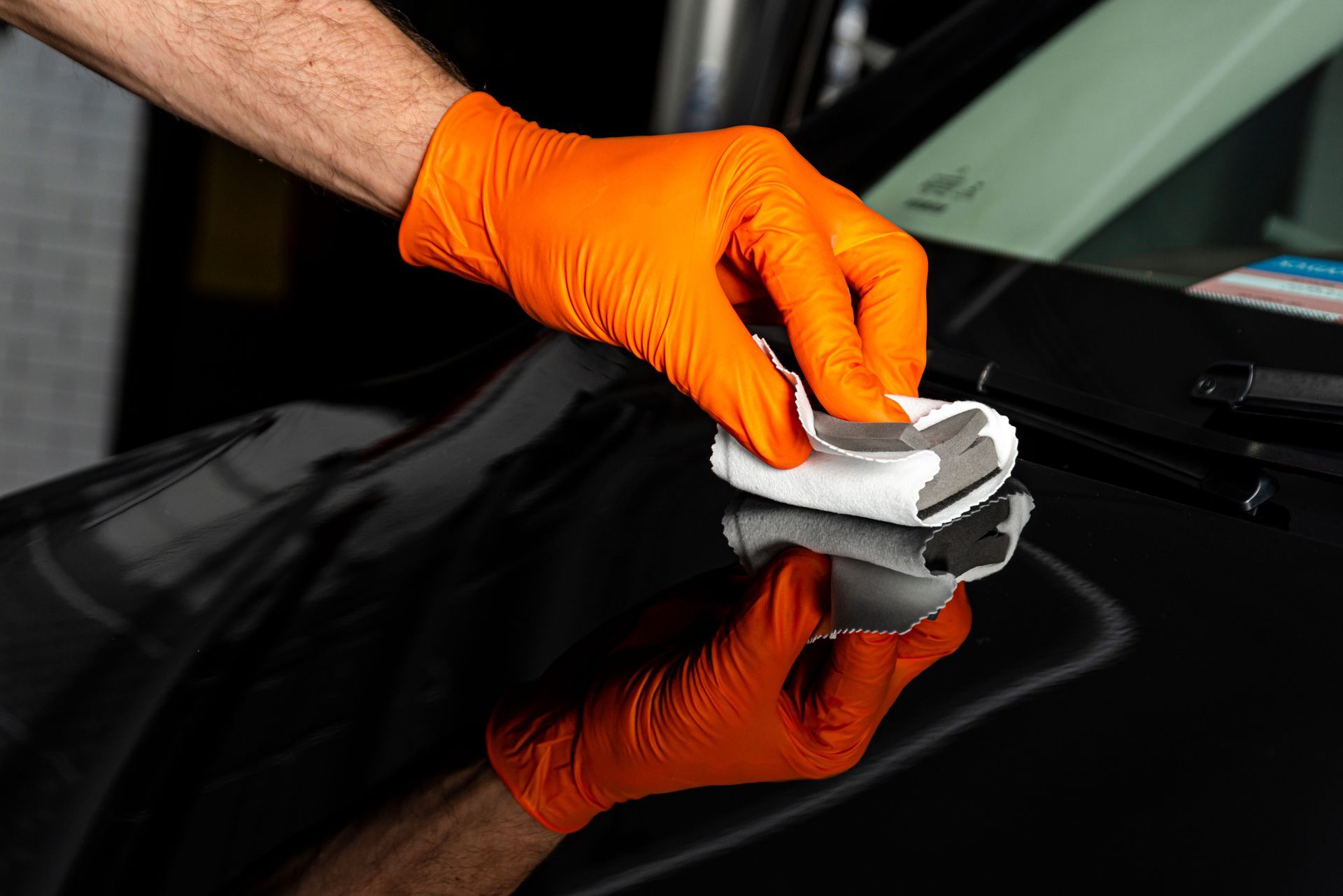
What Happens to a New Car Before It Reaches You?
A new car often travels hundreds or even thousands of miles before it reaches your driveway, and it picks up more than most buyers realize along the way. Shipping, dealer lots, and routine handling all leave their mark on the paint, even when the odometer reads almost zero. Understanding these early influences explains why a “brand-new” surface is rarely clean enough for coating. The following sections break down where these problems come from.
Transportation and Lot Contaminants
During rail and truck transport, new vehicles collect iron fallout, rail dust, industrial pollutants, road grime, and tar. Once parked on an open dealer lot, they also face bird droppings, tree debris, and airborne residue that settles on every panel. These particles embed in the clear coat and bond to it, which means a regular wash will not remove them. If a coating is applied over them, they get sealed in and can cause uneven adhesion. Dedicated decontamination is the only reliable way to lift them without harming the paint underneath.
Dealership Handling and Wash Marks
Dealerships wash large numbers of vehicles quickly, and rushed technique often leaves swirl marks and towel marring across the paint. Some dealers also apply waxes, sealants, or protective products that look glossy but create a barrier that interferes with coating adhesion. Because these layers are invisible, many owners never know they are there. During our inspection, we check for both visible marks and leftover products so they can be removed. Stripping this residue before coating allows the product to bond directly to the clear coat rather than to something that will wear away.
Atlanta Climate and Early Exposure
Atlanta’s climate is tough on fresh paint, with intense summer heat, strong UV, and high humidity that accelerate fading and water spotting. In spring, thick pollen coats vehicles, and tree sap can bond to the surface within hours of landing. When owners delay protection after purchase, these elements settle into the clear coat and become harder to remove. A new car left unprotected for even a few weeks can develop marks that require polishing before coating. Acting early keeps preparation simple and preserves more of the factory finish.
Why Surface Preparation Is Necessary Before Ceramic Coating
Ceramic coating forms a chemical bond with the paint beneath it, which makes the condition of that surface critical to the final result. If dirt, oils, or old sealants remain, the coating cannot grip the clear coat properly, leading to weak adhesion, uneven curing, and early failure. The coating also locks in whatever sits below it, so swirls and light imperfections become far more noticeable under a glossy, hardened layer. Preparation directly influences gloss, water-beading behavior, and how long the protection lasts. At LeJeune Ceramic Coating & Paint Protection, every ceramic coating for a new car begins with a detailed inspection and thorough cleaning process rather than going straight to application.
Do New Cars Need Paint Correction or Polishing?
Whether a new car needs polishing depends entirely on what the inspection reveals, not on assumptions about its age. Some vehicles arrive with nearly flawless paint, while others have visible marks from transport or dealer handling. A careful evaluation helps us recommend the right level of correction without removing more clear coat than necessary. Here is how we approach each situation.
Light Defects Commonly Found on New Paint
New paint frequently shows swirl marks, micro-marring, and fine wash scratches, along with buffer trails or hazing left from dealer touch-ups. These flaws are often hard to see in a showroom or shaded garage but become obvious in direct Atlanta sunlight. Checking the paint under focused lighting reveals them clearly and shows how far the defects extend. Identifying these issues before coating is essential, because the finished layer will magnify them rather than hide them. Knowing exactly what is present lets us plan the right correction.
When a Light Polish Is Enough
In most cases, a single-stage enhancement polish is all a new car needs to restore clarity and depth. This gentle approach removes light marring and improves gloss while preserving as much factory clear coat as possible, which matters for long-term protection. Clear coat is a finite layer, so avoiding aggressive correction on a vehicle that does not require it is simply good practice. A light polish also leaves the surface smooth and uniform, creating an ideal foundation for the coating to bond. The result is a deeper shine that the coating can then seal in.
When Polishing Can Be Skipped
Sometimes a new car’s paint is in excellent condition after inspection, especially if it was delivered with protective film or has been kept in a garage since arrival. In those cases, skipping polishing is perfectly reasonable and avoids unnecessary clear coat removal. The decision should always come from a thorough inspection rather than a guess, because paint that looks fine at first glance can hide marks. When the surface truly is clean and defect-free, thorough decontamination alone may be enough. Our team will tell you honestly which path your vehicle needs.
The Proper Cleaning and Decontamination Process Before Coating
Cleaning a new car for coating is far more thorough than a standard wash, and each stage serves a specific purpose. The process begins with a pre-rinse and foam wash to loosen surface dirt, followed by a careful hand wash that avoids adding fresh marks. Next comes chemical decontamination to dissolve embedded iron particles, then a clay treatment to lift bonded contaminants that chemicals leave behind. Finally, a panel wipe removes oils, polishing residue, and any remaining film. This final step leaves the paint chemically clean, so the coating bonds evenly and performs as intended.
Benefits of Applying Ceramic Coating to a New Car the Right Way
When preparation is done correctly, the payoff is significant and long-lasting. Paint gains a deeper gloss and a showroom-quality finish that stays vibrant far longer than wax or sealant. Water beads and sheets away, so washing becomes quicker, and dirt has a harder time clinging to the surface. The coating also helps resist UV exposure, chemical stains, and everyday contamination, all of which matter in Atlanta’s climate. Over time, well-protected paint helps preserve resale value, which is why our
ceramic coating services focus on getting the preparation right first.
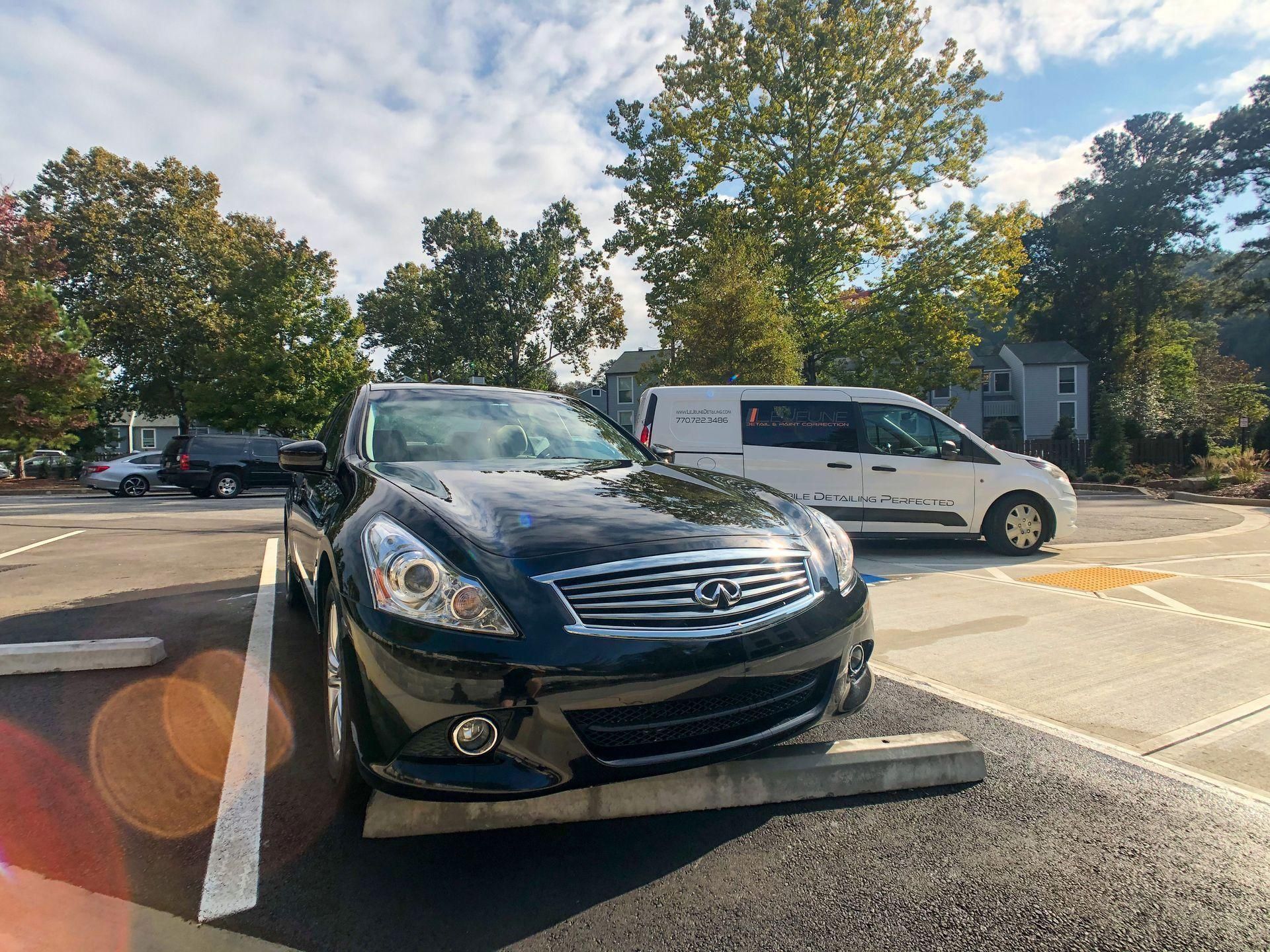
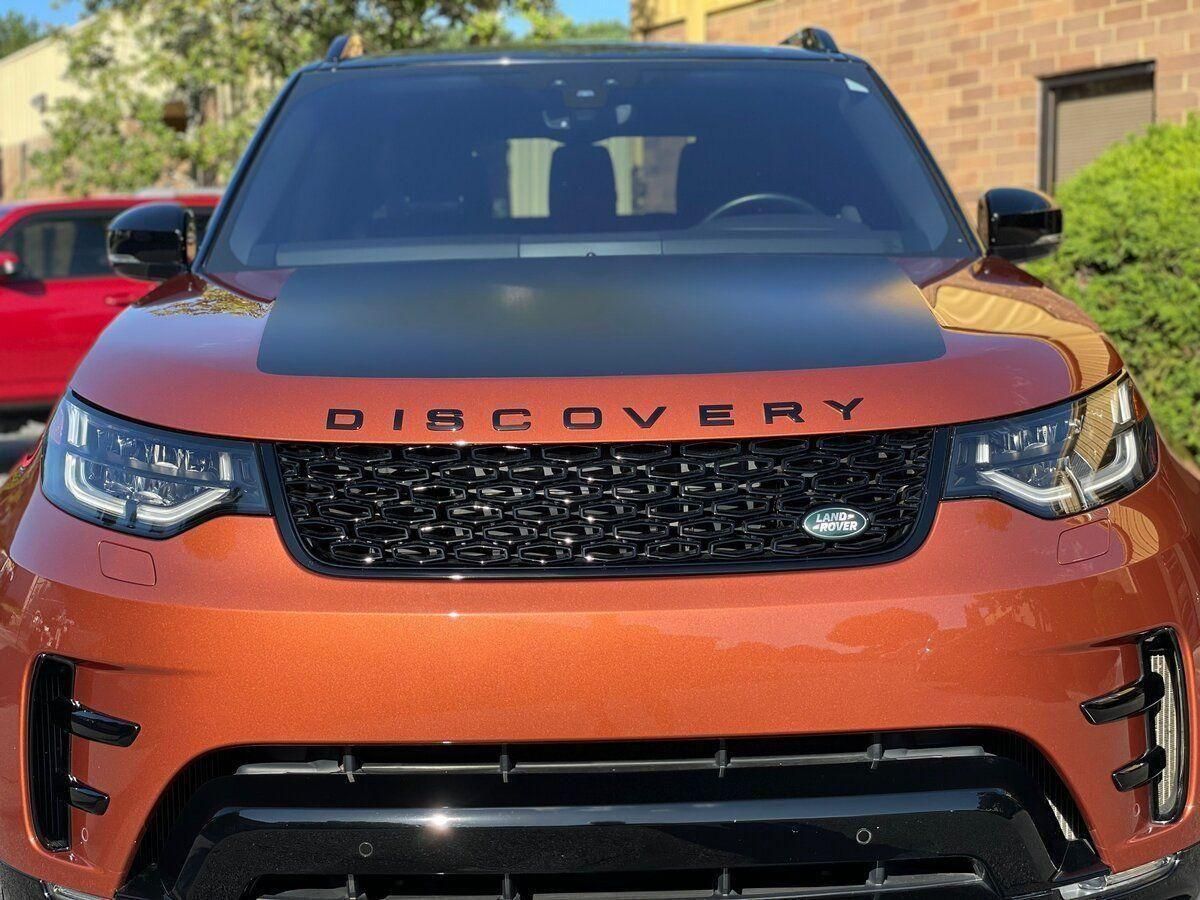
Choosing a Professional for Your New Car in Atlanta, GA
Professional application matters more on a new vehicle because there is little room for error on fresh paint. A skilled team follows a structured inspection process, works in a controlled environment, and explains every preparation step before the coating goes on. When comparing providers, ask how they inspect the paint, what correction they plan, how long curing takes, and what warranty backs the work. Local experience also counts, since understanding how Atlanta’s heat, humidity, and pollen affect paint helps shape better recommendations. At LeJeune Ceramic Coating & Paint Protection, we build every new car project around these standards.
Make Ceramic Coating Part of Your New Car Protection Plan
A new car can and should be protected, but the best results come only after careful inspection, decontamination, and correction where needed. Proper preparation is what determines gloss, hydrophobic performance, and durability, so it should never be skipped or rushed. If you are considering ceramic coating for a new car in Atlanta, the earlier you start, the easier it is to preserve that factory finish. Applying protection early can also reduce the amount of paint correction your vehicle may need in the future. A properly prepared and coated surface is easier to maintain and better equipped to handle daily exposure to pollen, UV rays, road grime, and moisture. Starting with professional protection helps keep your new vehicle looking cleaner, glossier, and well cared for over time.
Contact us today to schedule a new car inspection and coating consultation.