Should You Polish Your Car Before Ceramic Coating?
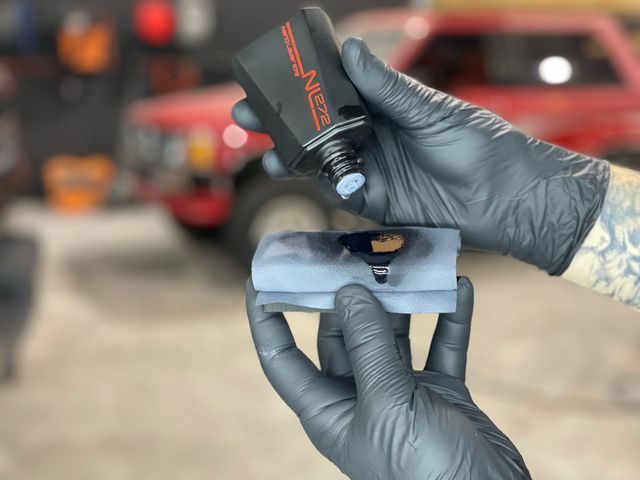
GET A QUOTE CALL (770) 722-3486Ceramic coating can enhance a vehicle’s shine and provide lasting surface protection, but the quality of the final result depends heavily on the condition of the paint underneath. If the surface contains swirl marks, oxidation, or embedded contamination, applying a coating without addressing those concerns may make them more noticeable. This is why many Atlanta vehicle owners choose to polish before ceramic coating. Proper polishing refines the paint, improves its clarity, and prepares it for a more consistent coating application. Understanding this preparation process helps vehicle owners set realistic expectations and make informed decisions before scheduling professional ceramic coating installation.
Why Should You Polish Before Ceramic Coating?
Polishing prepares automotive paint by refining imperfections that routine washing cannot remove. Although ceramic coating can create a glossy and hydrophobic surface, it does not conceal existing paint defects. Those imperfections may remain visible beneath the coating once it cures. Choosing to polish before ceramic coating gives the installer a cleaner and more uniform foundation, helping the completed vehicle look smooth, reflective, and professionally finished.
Reducing Light Swirl Marks
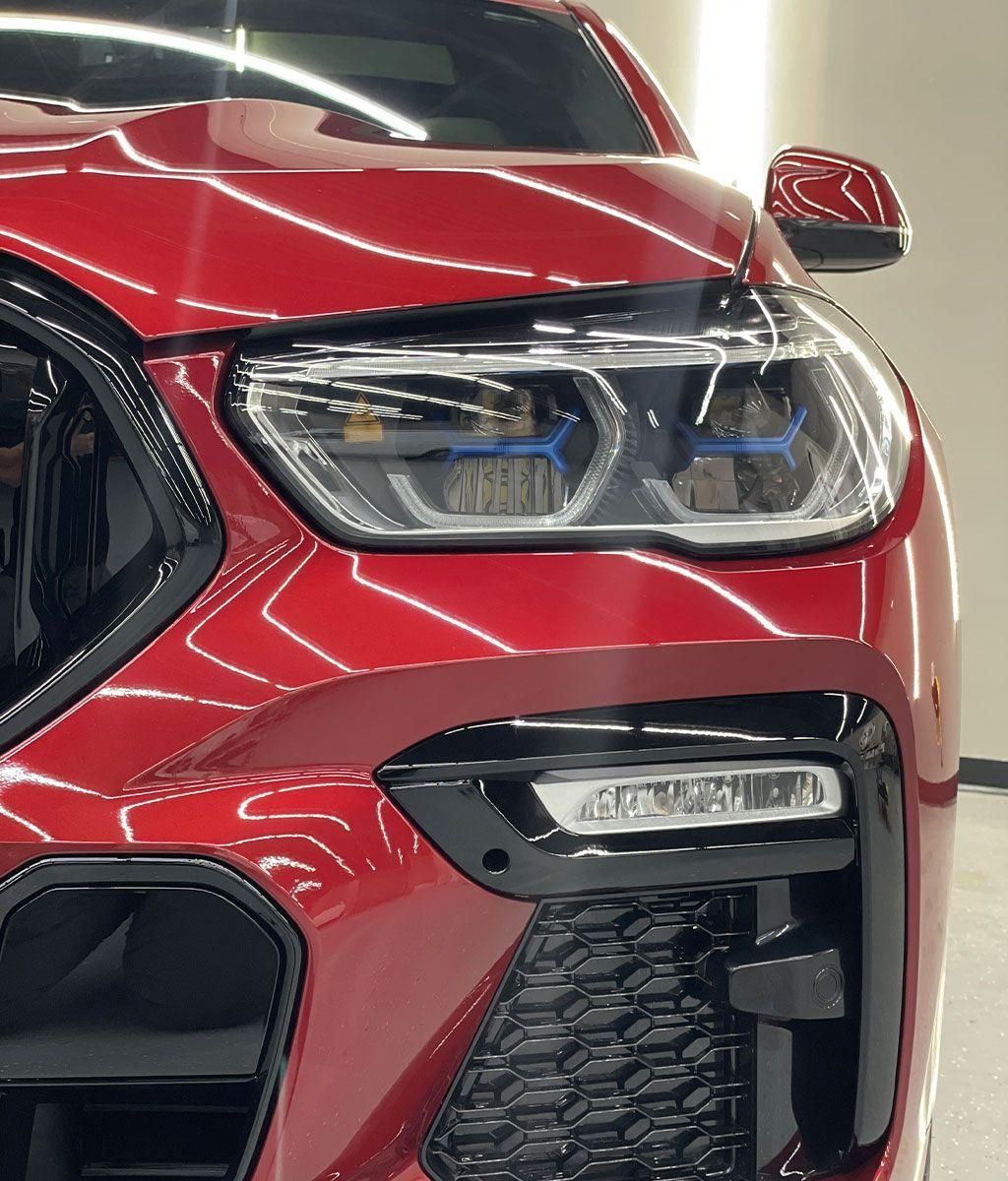
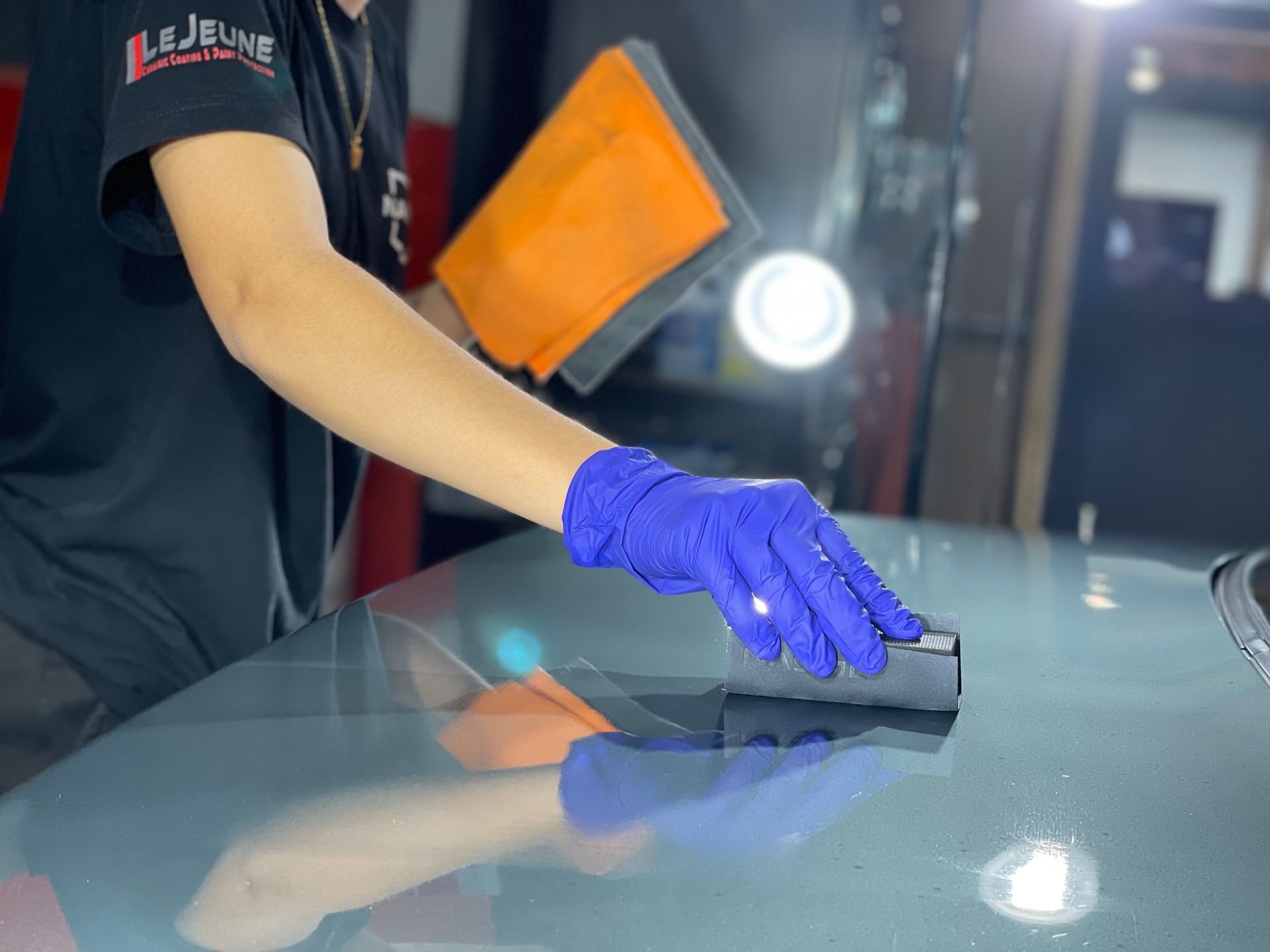
Light swirl marks frequently develop through automatic car washes, dirty wash mitts, rough towels, or improper drying methods. Minor marks can also appear from regular driving, contact with branches, or contaminants being dragged across the paint. Polishing uses controlled abrasion to refine the affected surface and reduce the visibility of these defects. The amount of improvement depends on the depth of each mark and the thickness and condition of the paint. When performed correctly, polishing restores a more even appearance without making unrealistic promises that every deep mark will disappear. This correction is important because ceramic coating can intensify reflections, making unrepaired imperfections more noticeable under direct sunlight or bright garage lighting.
Addressing Oxidation, Dullness, and Faded Paint
Sun exposure, environmental contamination, improper maintenance, and age can gradually cause vehicle paint to lose its brightness. Oxidation may create a cloudy or faded appearance, while accumulated residue can make an otherwise healthy finish look dull. Polishing removes a controlled amount of damaged or weathered material from the upper surface, revealing clearer paint underneath. This process can restore color depth and improve how light reflects from the vehicle. Atlanta drivers may encounter strong sunlight, humidity, road film, and airborne contamination, so proper inspection is necessary before coating. Applying ceramic coating over dull or oxidized paint may preserve an unsatisfactory appearance instead of producing the clean, glossy finish the owner expects.
Creating a Smoother and More Even Surface
A painted surface may look clean from a distance while still containing fine imperfections that affect its texture and reflection. Polishing helps level minor irregularities and produces a smoother, more consistent finish before coating installation. This refined surface allows the ceramic product to be applied evenly across the applicable painted panels. It also helps prevent uneven reflections from distracting from the vehicle’s appearance after curing. The objective is not to remove unnecessary amounts of clear coat but to perform the appropriate level of refinement for the paint’s condition. A professional installer balances correction and preservation so the surface is properly prepared without using a more aggressive polishing process than the vehicle requires.
How Is Paint Professionally Prepared for Ceramic Coating?
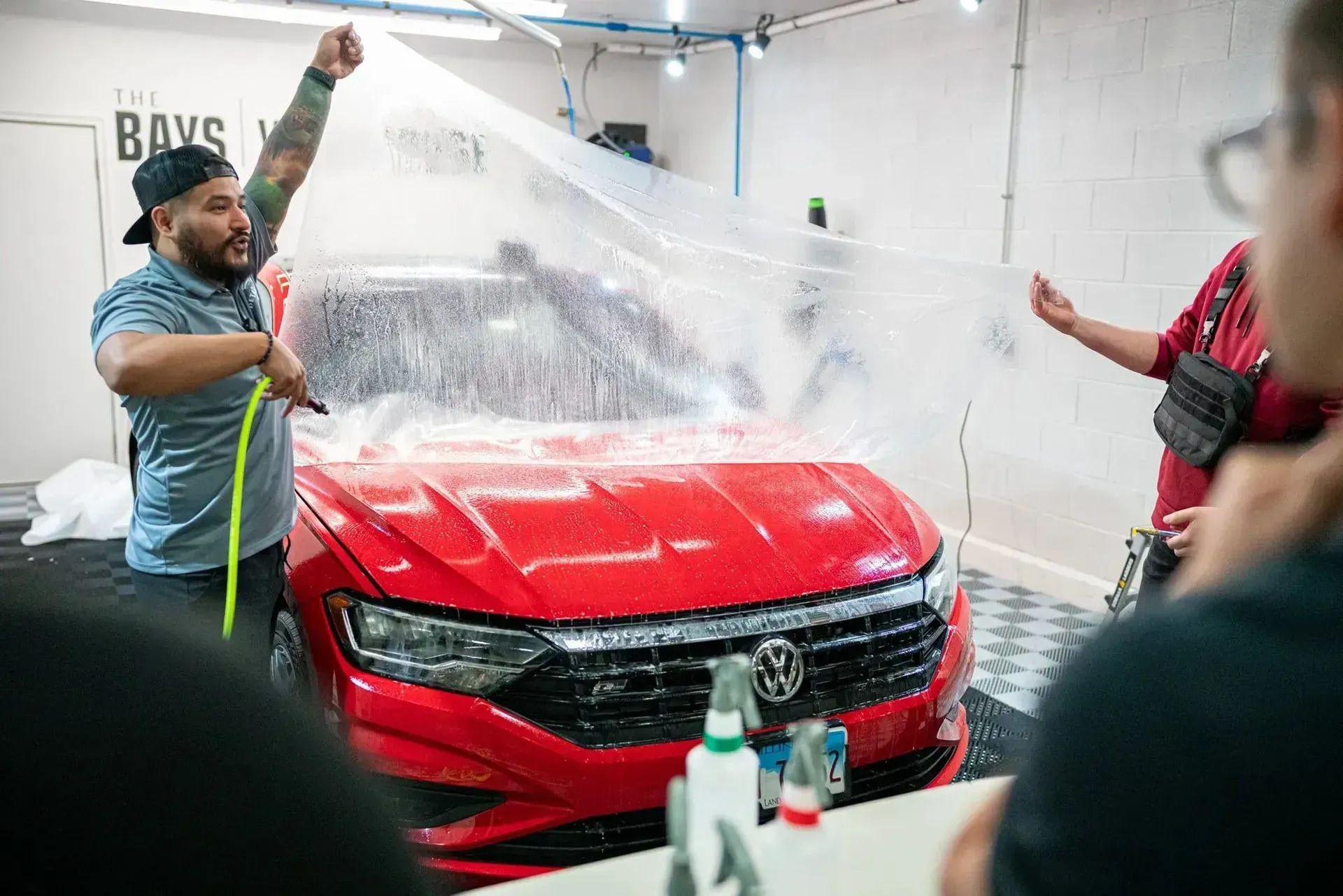
Professional paint preparation involves more than running a polisher across the vehicle. Each stage supports the next, beginning with cleaning and continuing through inspection, polishing, and final surface preparation. LeJeune Ceramic Coating & Paint Protection evaluates the finish before proceeding so the preparation can match the vehicle’s actual condition. This method supports a cleaner application and a more polished final appearance.
Thorough Washing and Paint Decontamination
The vehicle must be thoroughly cleaned before any polishing begins because loose dirt and bonded contaminants can interfere with the process. A careful exterior wash removes surface grime, while additional decontamination addresses particles that remain attached to the paint. These may include road film, mineral residue, industrial fallout, or other embedded materials that ordinary washing leaves behind. Polishing a contaminated vehicle could move abrasive particles across the surface and create additional marks. LeJeune Ceramic Coating & Paint Protection includes exterior decontamination as part of its preparation process for applicable ceramic coating services. Beginning with a clean surface also allows the installer to inspect the paint more accurately and determine which areas require additional attention.
Paint Inspection and the Appropriate Level of Polishing
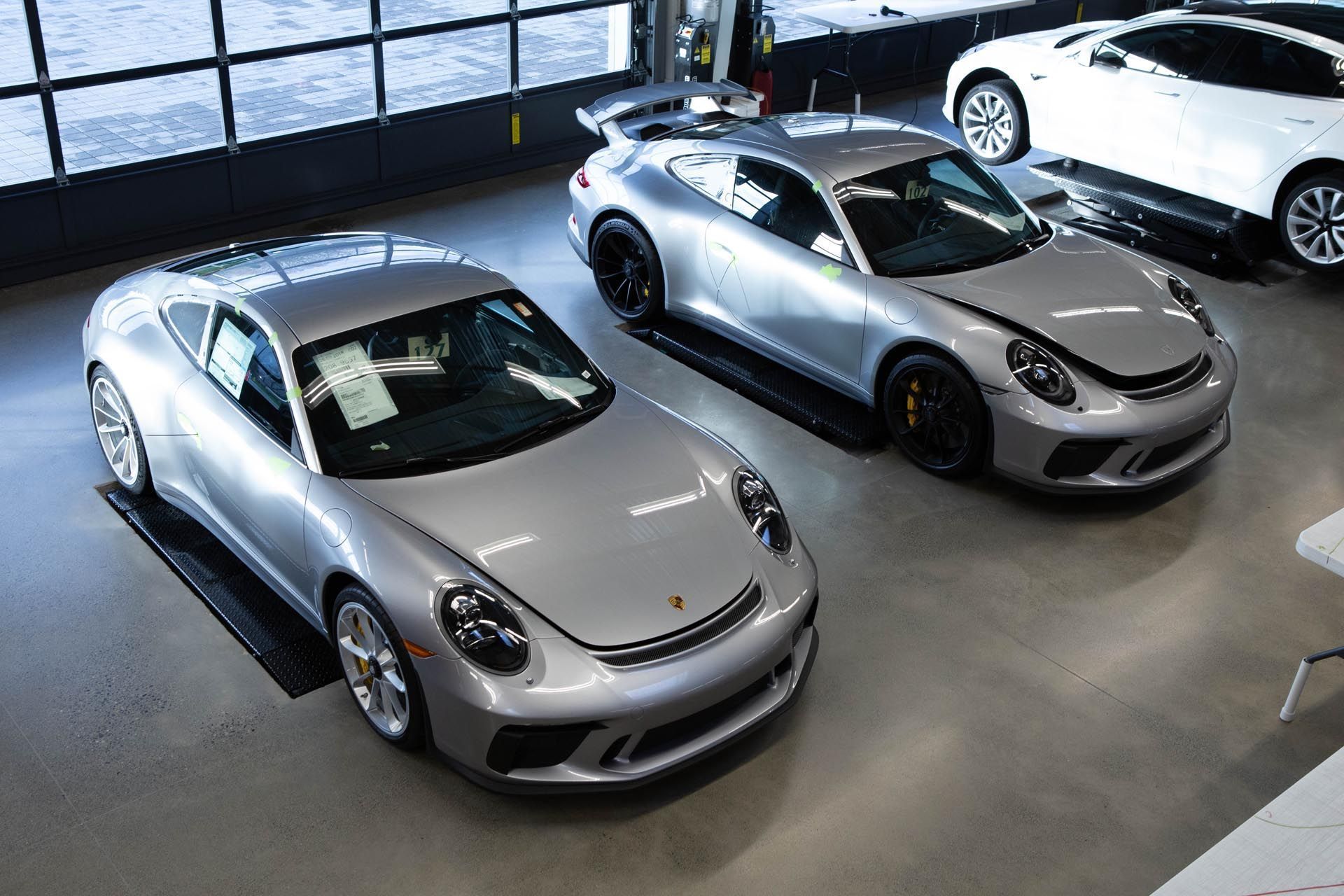
After cleaning and decontamination, the paint should be inspected under suitable lighting. This examination reveals swirl marks, oxidation, water spots, haziness, and differences between panels. Vehicle age alone does not determine the amount of polishing required because even a newer car can have defects from transportation, dealership washing, or poor maintenance. Meanwhile, an older vehicle that has been carefully maintained may only need light refinement. LeJeune Ceramic Coating & Paint Protection performs a full-body paint inspection and uses fine polishing within applicable coating services. Selecting the appropriate process helps improve the finish while preserving as much healthy clear coat as possible. The inspection also gives the owner a clearer understanding of the results that can reasonably be achieved.
Removing Polishing Oils and Residue Before Application
Polishing compounds can leave oils, dust, or residue on the paint even when the finish appears clear and glossy. These substances must be removed before ceramic coating application because the product needs clean, direct contact with the prepared surface. A suitable final cleaning process reveals the true condition of the corrected paint and removes materials that could interfere with consistent bonding. It also helps the installer identify any remaining streaks or areas that need further attention. This stage connects paint correction with coating installation and should not be rushed. Once the surface is clean, dry, and free from polishing residue, the coating can be applied methodically and allowed to cure according to the requirements of the selected product.
How Polishing Improves the Final Coated Appearance
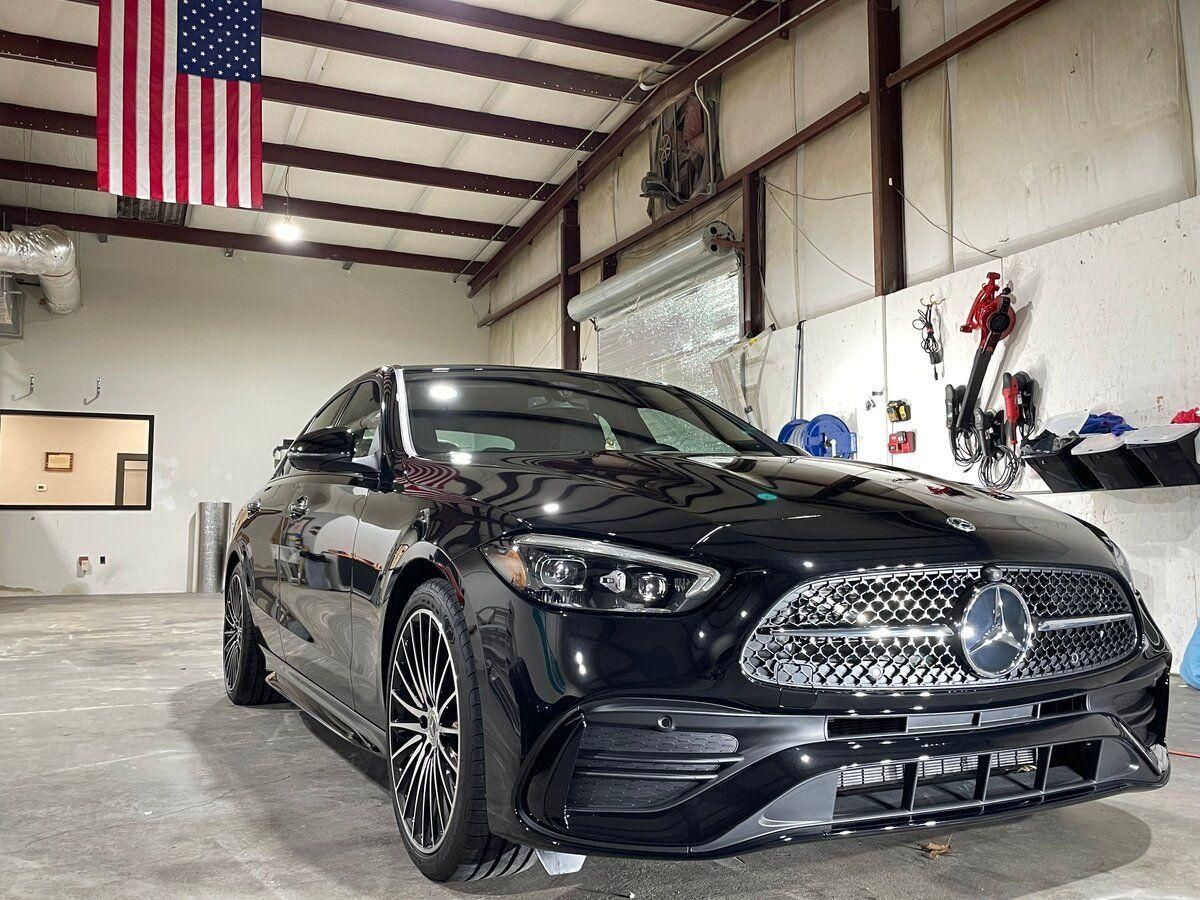
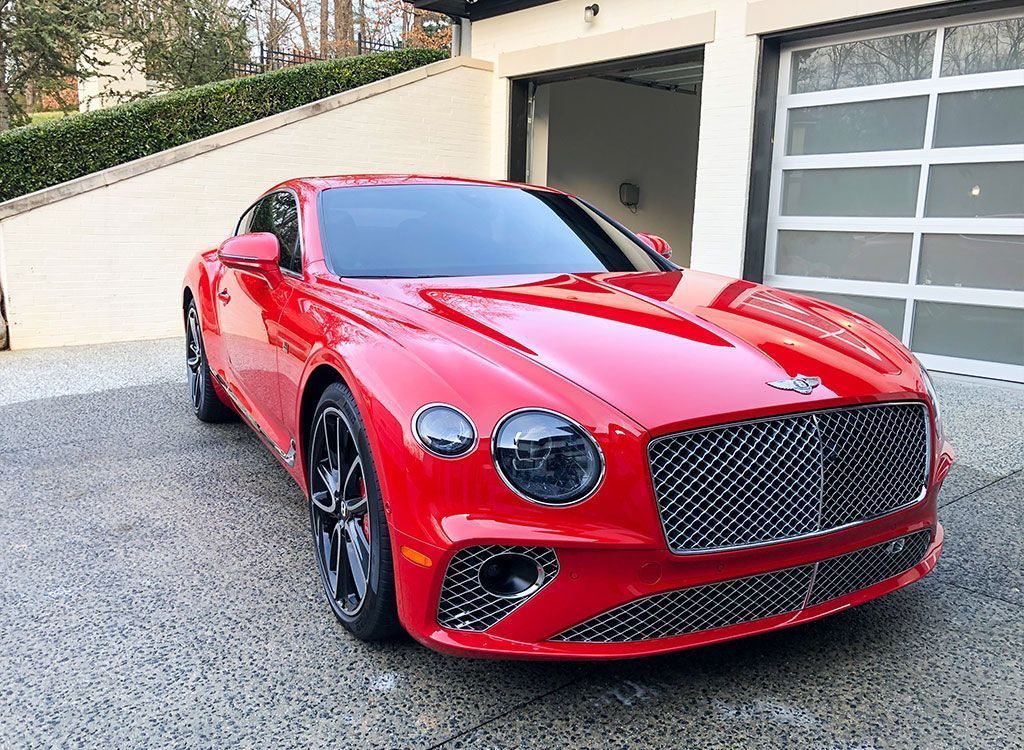
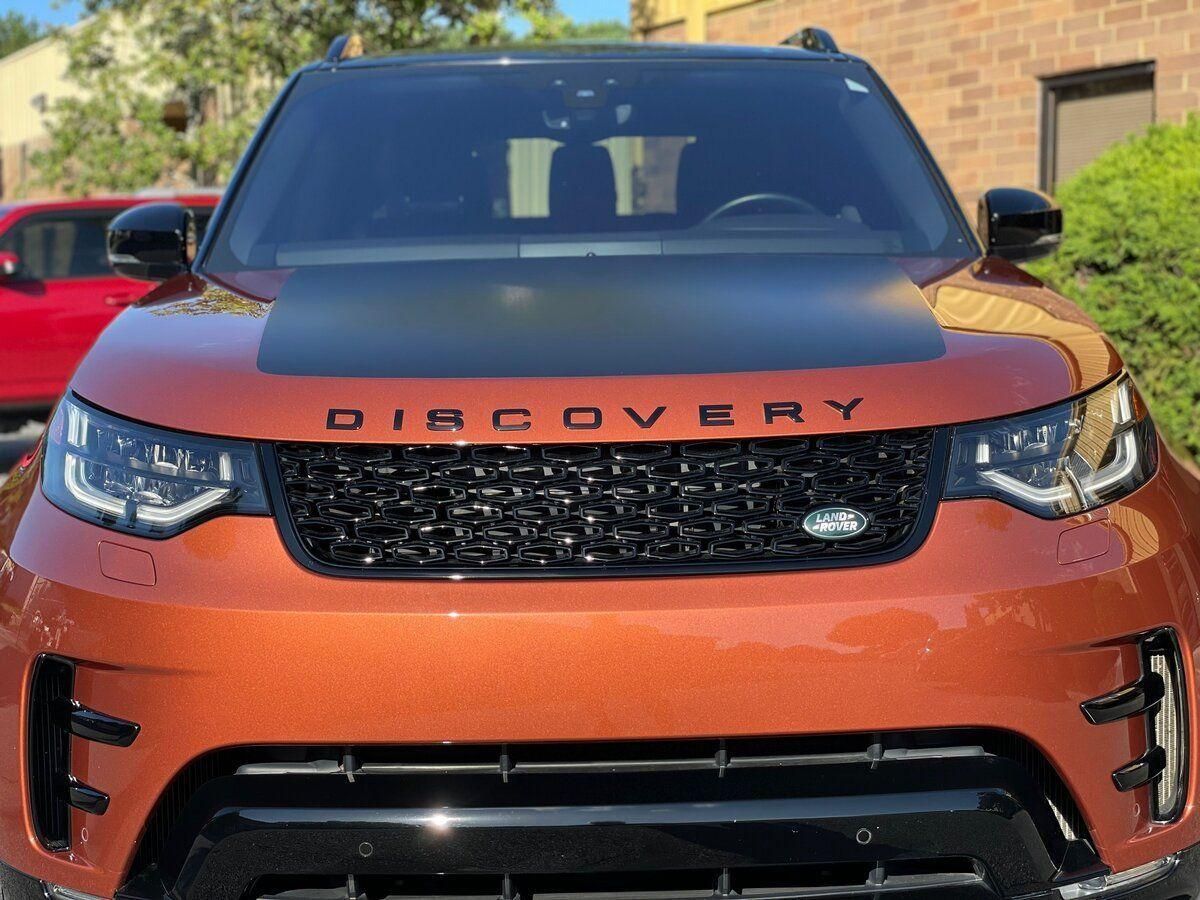
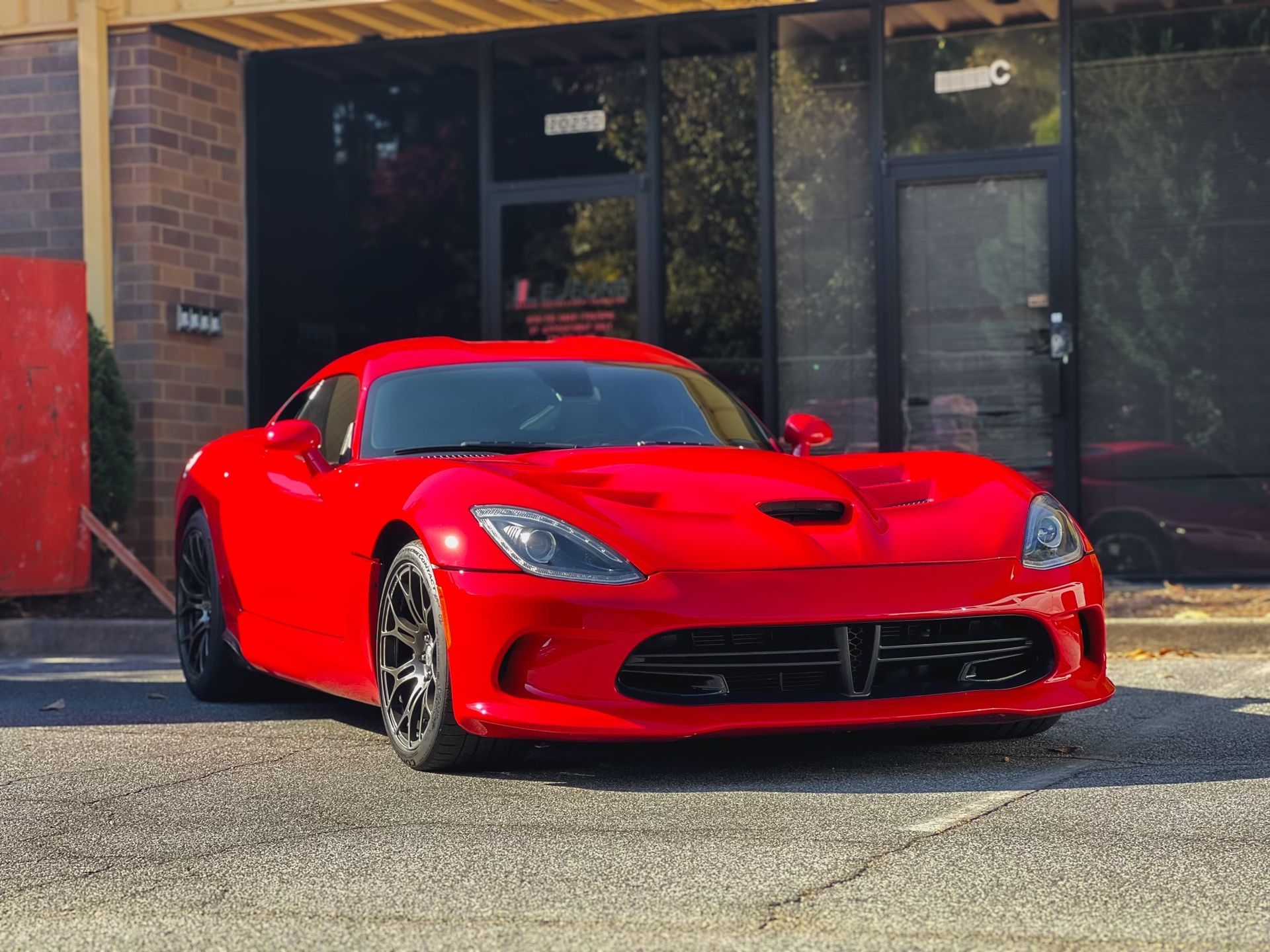
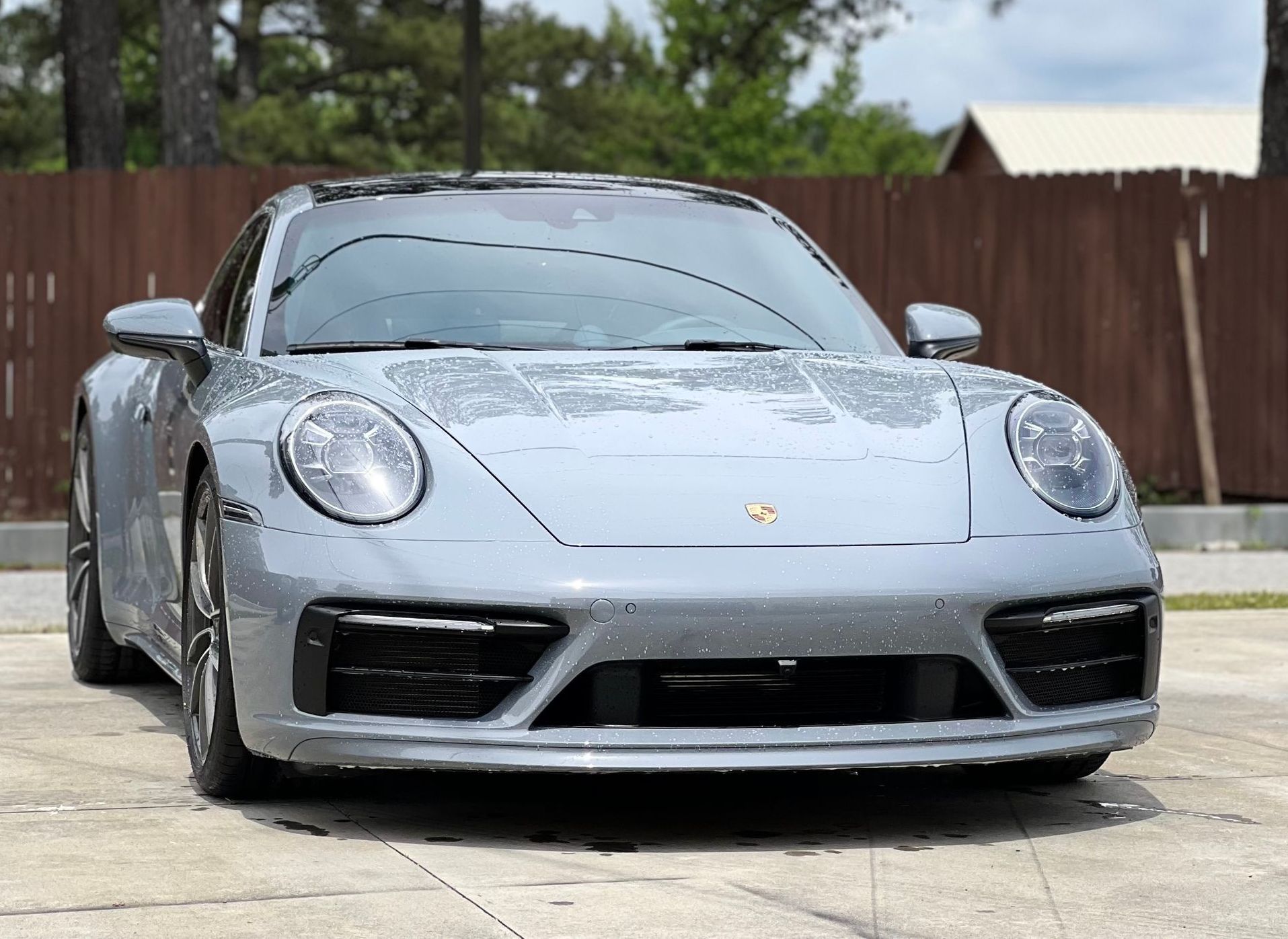
Ceramic coating tends to enhance gloss, reflections, and color depth, but its visual effect depends on the quality of the paint below it. When polishing reduces haze, swirl marks, oxidation, and minor defects, light can reflect more evenly across the body panels. The result is a clearer and more consistent finish rather than a shiny surface that still displays visible imperfections. This is one of the main reasons to polish before ceramic coating, particularly when appearance is a major priority. Careful refinement can help dark paint appear deeper, make metallic finishes look more defined, and create smoother transitions between adjacent panels. The coating then helps maintain the prepared appearance by creating a durable, hydrophobic layer over the refined paint.
Does Every Vehicle Need Polishing Before Ceramic Coating?
Not every vehicle requires the same polishing process, and some finishes may need only minimal refinement. A nearly new vehicle with carefully maintained paint could require a light polish, while a vehicle with visible swirls, oxidation, or dullness may need more extensive correction. Brand-new cars should still be inspected because their paint may have marks from shipping, storage, dealership preparation, or repeated washing. The correct decision should be based on the paint’s present condition rather than the vehicle’s age or mileage. A professional assessment allows the installer to recommend an appropriate preparation level instead of applying the same process to every vehicle. This tailored approach supports a strong result while avoiding unnecessary work on paint that is already in good condition.
What Can Happen If Polishing Is Skipped?
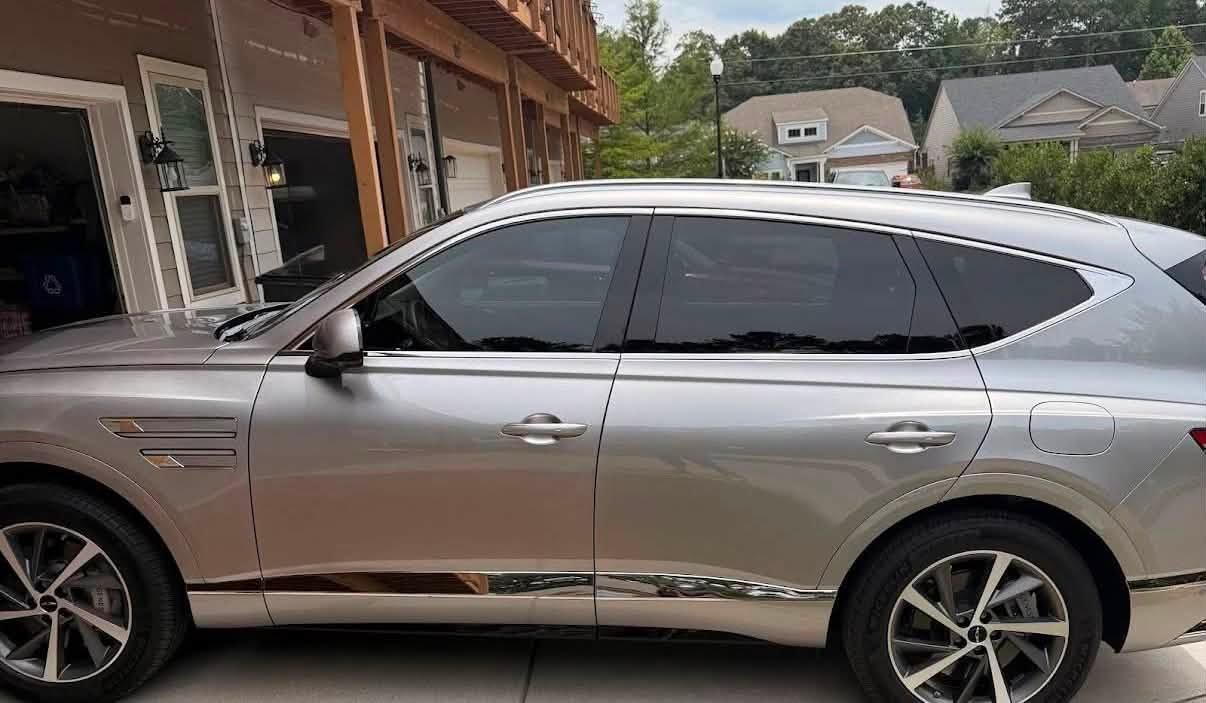
Skipping polishing may leave swirl marks, haze, and oxidation visible beneath the ceramic coating. Because the coating can increase surface reflectivity, some imperfections may stand out more clearly after installation. Once the coating has cured, correcting those defects becomes more complicated because the protective layer may first need to be removed from the affected area. Skipping necessary refinement can also lead to an uneven visual result, especially when some panels are clearer or smoother than others. Polishing should not be treated as an automatic requirement in every situation, but it should not be ignored when the paint has correctable defects. Proper inspection helps determine whether omitting this step would compromise the expected finish.
How Proper Preparation Supports Coating Bonding and Durability
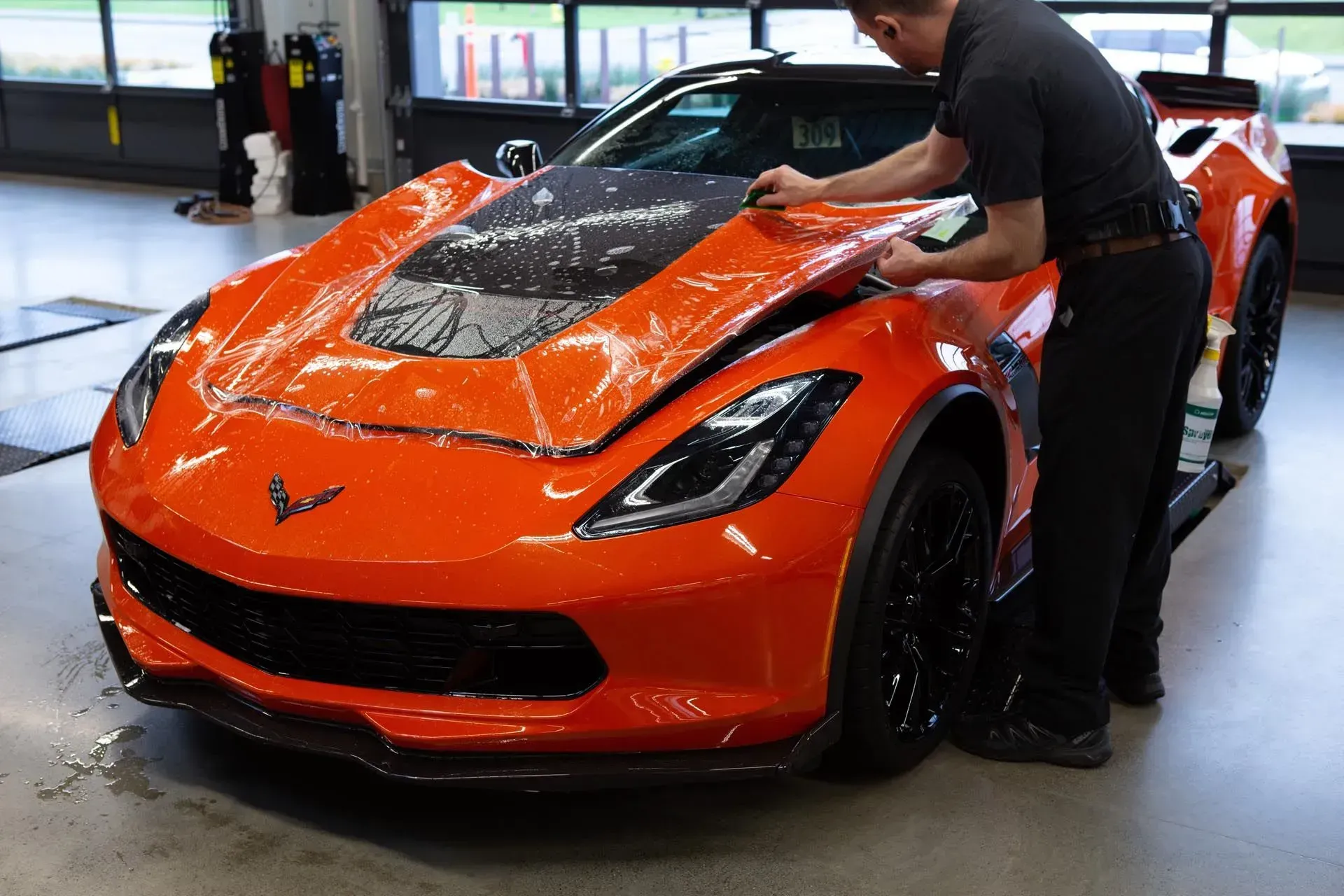
Ceramic coating performs best when it is applied to a clean, dry, and properly prepared surface. Embedded contamination, oxidation, polishing residue, or other materials can prevent the product from making consistent contact with the paint. Washing, decontamination, polishing, and final surface cleaning work together to create a suitable foundation for application. Better preparation supports even coverage and allows the coating to cure as intended. It can also contribute to a smoother finish that is easier to maintain through appropriate washing. Ceramic coating does not make paint immune or eliminate the need for care, but a properly installed product can provide durable hydrophobic performance, improved gloss, and protection from common environmental contamination for its expected service life.
Professional Ceramic Coating Preparation in Atlanta, GA
The decision to polish before ceramic coating should begin with a professional evaluation of the vehicle’s paint. LeJeune Ceramic Coating & Paint Protection provides ceramic coating services in Atlanta, GA, with preparation steps that include exterior decontamination, a full-body paint inspection, and fine polishing within applicable services. The team can assess the amount of refinement the vehicle needs before applying the selected coating to its prepared exterior. This service-aligned process helps address visible imperfections, improve gloss, and establish a clean surface for consistent coating application. Vehicle owners who want lasting protection and a polished appearance can
contact us to request an estimate and discuss the appropriate preparation process for their car, truck, or SUV.