What Is the Difference Between One-Layer and Multi-Layer Ceramic Coating?
GET A QUOTE CALL (770) 722-3486Anyone who has parked a car under the Georgia sun, driven through a heavy summer downpour, or wiped yellow pollen off a hood in spring knows how challenging Atlanta's weather can be for vehicle paint. Constant sun exposure, road grime, bird droppings, tree sap, and environmental contaminants can gradually affect the exterior finish. That is why many vehicle owners consider ceramic coating to maintain their paint and make regular cleaning easier. However, one common question is how many coating layers are actually necessary.
Understanding the difference between one-layer and multi-layer ceramic coating helps drivers compare their options and select a suitable level of protection. At LeJeune Ceramic Coating & Paint Protection, we believe the right choice depends on your vehicle's condition, driving habits, maintenance routine, and long-term expectations.
How Ceramic Coating Layers Work
Ceramic coating is a liquid protective product that bonds with a vehicle's clear coat and cures to form a durable, hydrophobic surface. It creates a protective layer that helps reduce the impact of environmental contaminants and makes routine washing easier. When discussing coating layers, the term refers to the number of applications used during the installation process. A single-layer application involves one coat, while a multi-layer system uses two or more applications according to the manufacturer's instructions. Each coating system has specific application and curing requirements, so adding more layers does not automatically guarantee better results. Surface preparation, product formulation, application technique, and proper curing all influence the final performance.
What Is a One-Layer Ceramic Coating?
A one-layer ceramic coating involves applying a single, even coat of ceramic product to properly prepared vehicle paint. It is a practical option for drivers who want improved gloss, water repellency, and easier maintenance without choosing a more extensive coating package. A professionally installed single layer can provide meaningful protection against everyday contaminants and help maintain the vehicle's exterior appearance. It is particularly suitable for vehicles that are already in good condition and receive regular maintenance. Although it offers fewer applications than a layered system, a single coat can still deliver reliable performance when the product is appropriate for the vehicle and applied correctly.
Coverage and Thickness of a Single Layer
A single ceramic coating application forms a thin protective film across the vehicle's painted surfaces. Before installation, the paint needs to be thoroughly washed, decontaminated, and inspected to ensure the coating can bond properly. The installer then applies the product evenly and removes excess residue within the recommended time. Since only one coat is used, the overall coating system has less applied material than a multi-layer option. However, this does not mean the surface receives incomplete coverage. A properly installed single layer can protect the intended painted areas effectively, provided the product is applied according to its specifications. The actual thickness depends on the coating formulation rather than simply the number of applications.
Gloss and Hydrophobic Performance
One of the noticeable benefits of a single-layer ceramic coating is its ability to improve the vehicle's appearance. The coating can enhance paint clarity and create a smooth, glossy finish that makes clean surfaces look more refined. Its hydrophobic properties also encourage water to bead and move away from the paint rather than spreading across the surface. This behavior can make rinsing and routine washing more convenient because loose dirt and water are easier to remove. The final appearance depends on the original paint condition and the preparation performed before installation. Even a single coat can produce an attractive finish when the surface is properly corrected and prepared.
Durability and Everyday Paint Protection
For vehicles used mainly for commuting, occasional travel, and regular city driving, a single-layer ceramic coating can be a suitable protective option. It helps reduce the direct impact of environmental contaminants such as bird droppings, tree sap, road grime, and other substances that may affect unprotected paint. The coating also makes routine cleaning more manageable by creating a slicker surface. However, its performance depends on the specific product, environmental exposure, and maintenance routine. Vehicles that remain outdoors throughout the year or experience frequent highway driving may require a different protection strategy. Regular washing and appropriate maintenance are important for preserving the coating's properties over time.
What Is a Multi-Layer Ceramic Coating?
A multi-layer ceramic coating system involves applying two or more coats of ceramic product to the vehicle's prepared exterior. Each application follows a specific process that may include flashing, leveling, and curing before another layer is added. Some professional systems use a base coating combined with a compatible topcoat designed to provide additional surface characteristics. The purpose of this approach is to create a more comprehensive coating system with the performance characteristics intended by the manufacturer. Multi-layer applications generally require additional installation time, product, and attention to detail. They are often considered by vehicle owners seeking an upgraded finish and a coating package designed for extended service.
How Additional Layers Build Protective Coverage
Additional coating applications can contribute to the overall protective system, depending on the formulation and compatibility of the products being used. Some coatings are designed to bond in multiple applications, while others have specific layering restrictions. Therefore, installers must follow the manufacturer's instructions rather than assuming that every product benefits from additional coats. When a compatible multi-layer system is applied correctly, it can provide the intended combination of surface protection, water behavior, and durability. Proper coverage across panels, edges, and complex body contours is equally important. The objective is to achieve a consistent finish rather than simply increasing the number of applications.
Long-Term Durability and Environmental Resistance
One reason vehicle owners consider multi-layer systems is the potential for extended coating performance. A properly selected coating system can help protect the clear coat from direct exposure to environmental contaminants and make it easier to remove substances before they cause lasting damage. This is particularly useful in Atlanta, where vehicles regularly encounter strong sunlight, seasonal pollen, rain, and road residue. The actual lifespan depends on the product's specifications, installation conditions, driving environment, and maintenance practices. It is also important to understand that ceramic coating does not make paint scratch-proof or prevent stone chips. Its purpose is to provide a protective surface that supports easier cleaning and helps maintain the finish.
One-Layer vs. Multi-Layer Ceramic Coating: Key Differences
The main differences between one-layer and multi-layer ceramic coating involve the application process, product requirements, package cost, and expected performance. A single-layer system uses one application to provide gloss, hydrophobic behavior, and everyday surface protection. A multi-layer system uses additional compatible applications or a base-and-topcoat combination to achieve the performance characteristics of that particular coating package. More layers may involve greater installation time and expense, but they do not guarantee proportionally greater protection. Both options require careful preparation and proper maintenance. Comparing the actual coating products, manufacturer-backed durability claims, preparation process, and included services is more useful than choosing a package based only on its advertised layer count.
When Should You Choose a Multi-Layer Ceramic Coating?
A multi-layer ceramic coating may be worth considering when you want a coating system designed for extended performance and have specific expectations for your vehicle's finish. Cars that remain outside for long periods, experience frequent driving, or are exposed to changing weather conditions may benefit from a professionally selected coating package. Owners who plan to keep a newer vehicle for several years may also prefer to invest in a more comprehensive exterior protection service. However, the vehicle's current paint condition and the coating manufacturer's recommendations should guide the decision. At LeJeune Ceramic Coating & Paint Protection, assessing these factors helps determine which service is appropriate for the vehicle rather than recommending additional layers without a clear purpose.
Vehicles Frequently Parked Outdoors
Vehicles parked outdoors are regularly exposed to sunlight, rain, pollen, dust, and airborne contaminants. Over time, these substances can affect the paint if they are not removed through appropriate washing and maintenance. A suitable ceramic coating can help make the exterior easier to clean and reduce the tendency of contaminants to cling strongly to the surface. Drivers who cannot park their vehicles in covered areas may consider a multi-layer package depending on their protection goals. However, the coating should be selected according to its actual performance specifications, as outdoor exposure and regular maintenance influence its service life.
New or Recently Detailed Vehicles
New vehicles are often excellent candidates for ceramic coating because their paint may require less correction than older or heavily used vehicles. Applying a suitable coating early can help maintain the exterior finish and make routine cleaning more convenient. Recently detailed vehicles can also benefit from ceramic coating when the paint has been properly polished and prepared. A multi-layer option may appeal to owners who want a more comprehensive coating package for long-term ownership. Before application, however, the installer should inspect the paint for dealership wash marks, light scratches, and surface contamination to ensure the coating is applied over a properly prepared finish.
Vehicles Exposed to Heavy Daily Driving
Vehicles used for daily commuting, long-distance travel, and frequent highway driving encounter road grime, insects, dust, and other contaminants more regularly. These conditions can make exterior maintenance challenging, particularly when the vehicle is driven throughout the year. Ceramic coating helps simplify cleaning by creating a hydrophobic surface that allows water and loose dirt to move away more easily. Depending on the vehicle's usage and the desired service life, a multi-layer system may be a suitable choice. Nevertheless, regular washing remains necessary because coating alone cannot prevent every type of environmental or physical damage.
Why Proper Surface Preparation and Application Matter
The quality of a ceramic coating installation depends on much more than the number of layers applied. Even a premium coating product may fail to deliver its intended performance if the paint is not prepared properly or the application process is rushed. Professional installation involves several stages, including washing, decontamination, paint inspection, polishing when necessary, and careful product application. Each stage prepares the exterior for the next one and helps create a consistent finish. At LeJeune Ceramic Coating & Paint Protection, attention to preparation and application is an important part of achieving dependable ceramic coating results.
Paint Decontamination and Correction
Before applying ceramic coating, the vehicle's exterior must be thoroughly cleaned to remove loose dirt, road film, and bonded contaminants. A chemical and mechanical decontamination process may be used depending on the condition of the paint. After cleaning, the installer inspects the surface for swirl marks, oxidation, water spots, and other imperfections. Paint correction may be recommended to improve clarity and remove suitable defects before the coating is applied. This step is important because ceramic coating preserves the condition of the surface underneath rather than correcting existing paint damage. A clean, properly prepared surface provides a better foundation for coating application.
Correct Layering and Application Techniques
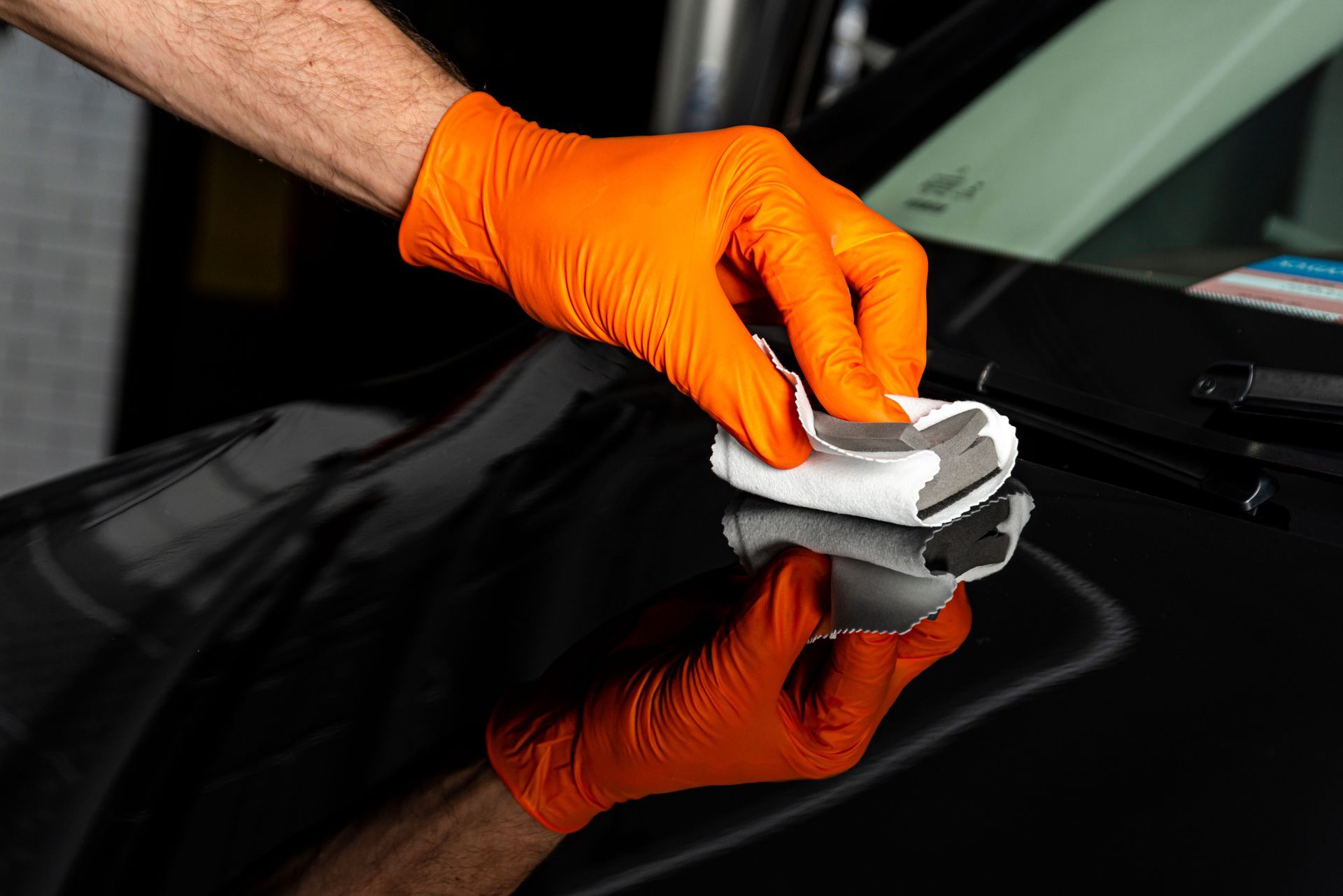
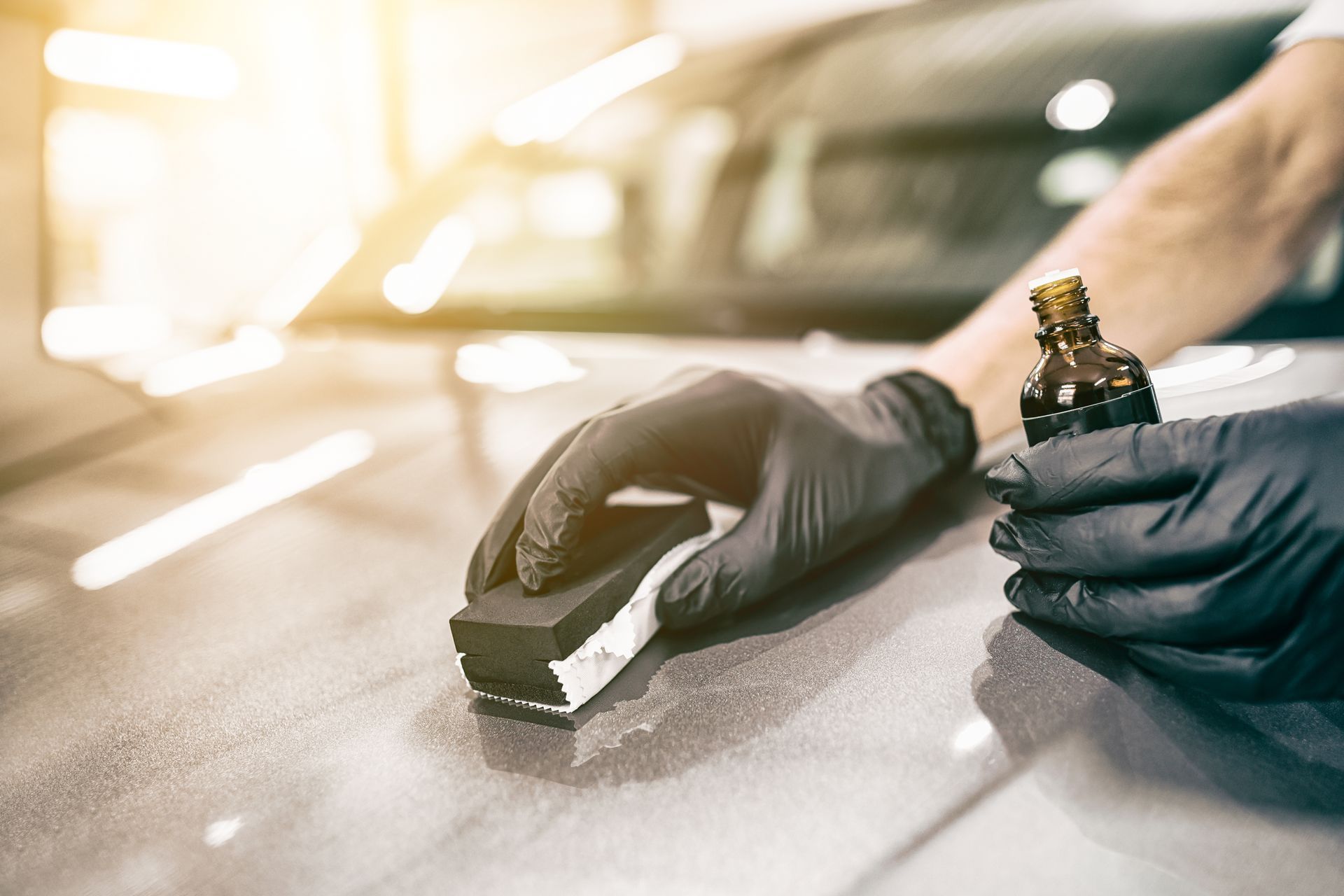
Applying ceramic coating requires controlled product distribution, suitable working conditions, and careful attention to application timing. The installer works across manageable sections to ensure the product is spread evenly and excess residue is removed before it becomes difficult to level. When multiple applications are required, the manufacturer’s recommended intervals and compatibility requirements must be followed. Incorrect application can result in high spots, streaks, uneven coverage, or bonding problems. Professional experience helps reduce these issues and ensures that each stage of the installation is completed with appropriate attention to detail.
Curing Time and Post-Installation Care
After application, ceramic coating requires an appropriate curing period to develop its intended properties. During this stage, exposure to water, moisture, dust, and other contaminants may need to be controlled according to the product manufacturer's instructions. The installer should explain when the vehicle can be driven, washed, or exposed to rain after installation. Some coatings also require specific aftercare products or maintenance procedures. Following these recommendations helps the coating settle correctly and reduces the possibility of premature performance issues. Proper post-installation care is just as important as the initial application process.
Factors to Consider When Choosing a Ceramic Coating Package
Selecting between one-layer and multi-layer ceramic coating should begin with an understanding of your vehicle's condition and your expectations. A single-layer package may be sufficient for owners who primarily want improved gloss and easier maintenance. Drivers looking for a more comprehensive system may prefer a multi-layer option, provided the additional applications offer benefits supported by the product specifications. Budget is another consideration because multi-layer services generally involve more materials and installation time. It is also worth discussing warranty terms, expected durability, preparation procedures, and maintenance requirements before making a decision. Comparing these details helps you choose a package based on actual value rather than the number of layers alone.
Choose the Right Ceramic Coating for Your Vehicle in Atlanta
The difference between one-layer and multi-layer ceramic coating comes down to the application system, product specifications, and level of performance you expect from your investment. A single-layer coating can provide excellent gloss, water repellency, and easier maintenance, while a compatible multi-layer system may offer additional benefits for drivers seeking a more comprehensive solution. However, neither option guarantees scratch-proof paint or eliminates the need for regular care. Proper preparation, professional application, and suitable maintenance are essential for achieving lasting results. At LeJeune Ceramic Coating & Paint Protection, we help vehicle owners understand their options and select a coating service that matches their vehicle and driving habits.
Contact our Atlanta team to discuss your vehicle's paint protection needs and schedule a consultation.