What Happens If Ceramic Coating Is Applied to Uncorrected Paint?
GET A QUOTE CALL (770) 722-3486Many car owners in Atlanta get excited about the idea of a glossy, protected finish and want to book a ceramic coating appointment as quickly as possible. What often gets overlooked is the condition of the paint underneath that coating before it ever gets applied. At LeJeune Ceramic Coating & Paint Protection, we see this mistake more often than people expect, and it usually leads to disappointment once the coating has cured and the flaws are still staring back at the owner. Understanding what happens when ceramic coating goes on top of uncorrected paint is the first step toward avoiding a costly and frustrating outcome, and it is exactly what this blog will walk you through from start to finish.
The Problems That Happen When Ceramic Coating Is Applied Over Uncorrected Paint
Skipping paint correction before a ceramic coating application does not make existing imperfections disappear; it simply seals them beneath a hard, glossy layer that is difficult to remove without professional intervention. Atlanta's mix of intense summer sun, heavy pollen seasons, and unpredictable storms puts extra stress on vehicle paint, which means most cars already carry some degree of surface damage before coating is even considered. Below are the specific issues that surface when correction is bypassed and coating is applied directly over compromised paint.
Swirl Marks Get Sealed In Permanently
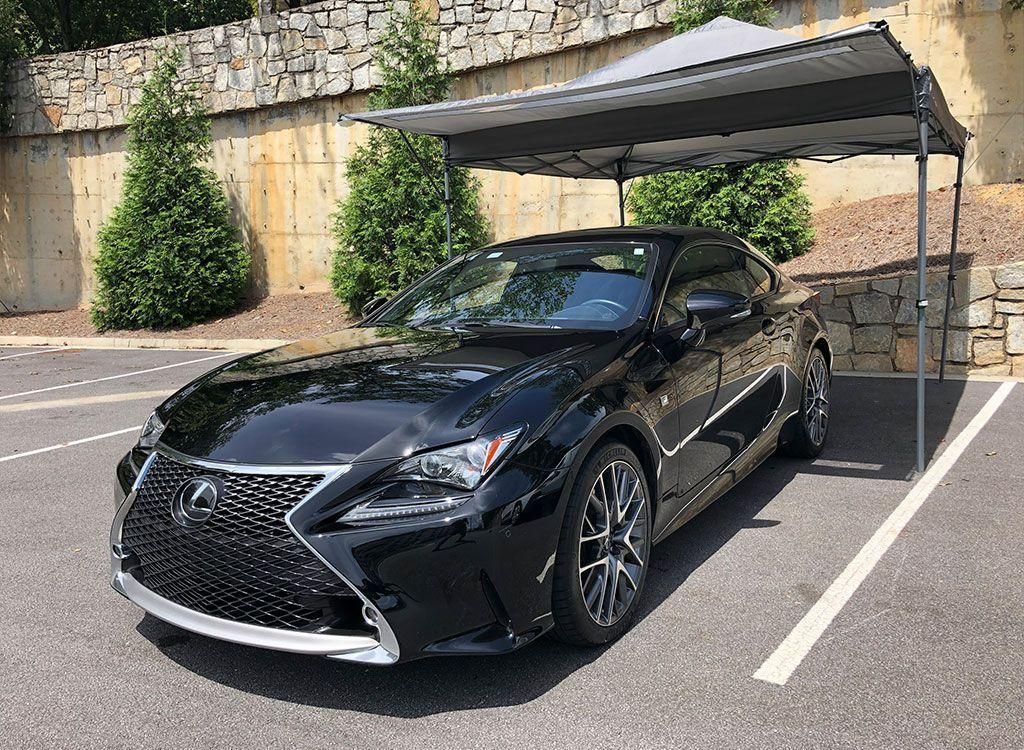
Ceramic coating is a transparent, hardened layer that bonds to whatever surface it is applied to, and it does not have the ability to fill in or smooth out swirl marks. Once the coating cures over paint that still has these marks, they become locked beneath a protective shell that is far more resistant to correction than the paint itself was originally. Removing swirls at that point requires stripping away the existing coating first, which adds both time and cost to a process that could have been avoided with proper prep work. For Atlanta drivers who already invest in a coating service expecting a flawless look, this outcome tends to be one of the most frustrating parts of skipping correction.
Oxidation and Water Spots Continue Trapped Beneath the Surface
Oxidized clear coat and etched-in water spots are common on vehicles that spend a lot of time outdoors, and Atlanta's humidity combined with hard water runoff makes this an especially frequent issue for local car owners. When ceramic coating is applied without addressing these problems first, the oxidation and mineral etching remain exactly as they were, just sealed under a glossy topcoat that does nothing to correct the damage. This means the vehicle may look shinier at first glance, but a closer inspection reveals the same dullness, spotting, or cloudy patches that were present before the coating was applied. Correcting these issues after the fact is far more involved than it would have been prior to coating, since the protective layer has to be removed before any real correction can take place.
Dullness and Uneven Gloss Instead of a Showroom Finish
One of the biggest misconceptions about ceramic coating is that it will automatically produce a deep, reflective shine regardless of the paint condition underneath, but the reality is that coating simply enhances whatever is already there. Paint that is dull, hazy, or inconsistently oxidized across different panels will still show those same characteristics once coated, just with an added layer of gloss sitting on top. This often results in a finish that looks glossy in some areas and noticeably flat or uneven in others, which is far from the showroom-quality result most owners are expecting. Without proper correction beforehand, the coating cannot compensate for these inconsistencies, no matter how high quality the product itself may be.
Why Paint Correction Matters Before Ceramic Coating Application
Paint correction is not an optional upsell; it is a necessary step that determines how well a ceramic coating will perform and how the finished vehicle will actually look once the process is complete. At LeJeune Ceramic Coating & Paint Protection, correction is treated as the foundation of every coating job we perform, because the long-term results depend heavily on the condition of the surface before any product touches the paint. The next sections explain exactly why this preparation step makes such a significant difference in the final outcome.
Better Bonding and Adhesion to the Clear Coat
Ceramic coating relies on a clean, level surface to properly bond to the clear coat, and any leftover contaminants, oxidation, or micro-imperfections can interfere with that adhesion process. Paint correction removes these obstacles through careful polishing, which leaves the clear coat smooth and ready to accept the coating at a molecular level. When the bond is stronger and more consistent across the entire vehicle, there is significantly less risk of the coating peeling, wearing unevenly, or failing prematurely in certain spots. This is particularly important in Atlanta, where high heat and UV exposure can put additional strain on any coating that was not given a proper surface to adhere to from the start.
A Cleaner, More Reflective Finish
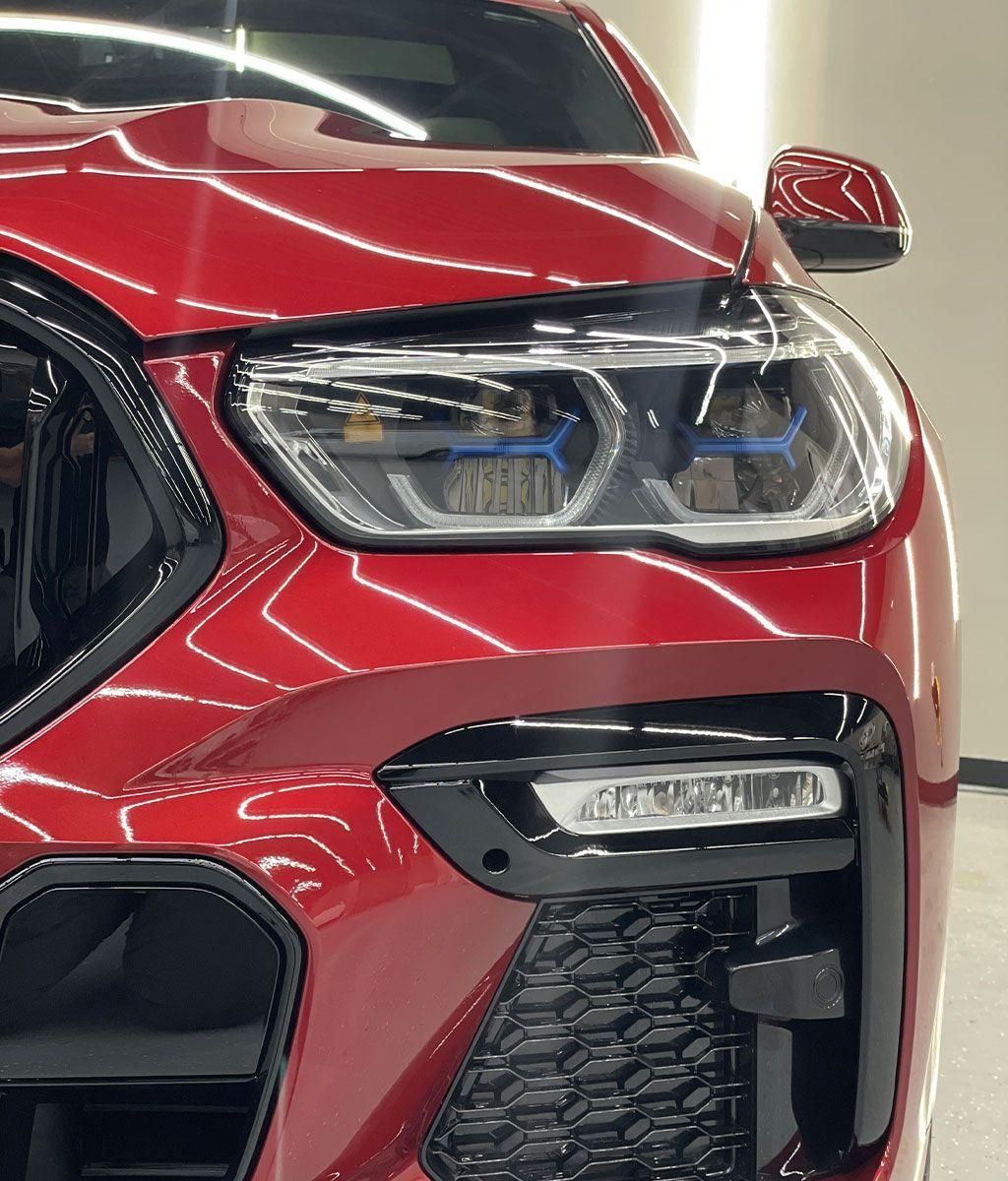
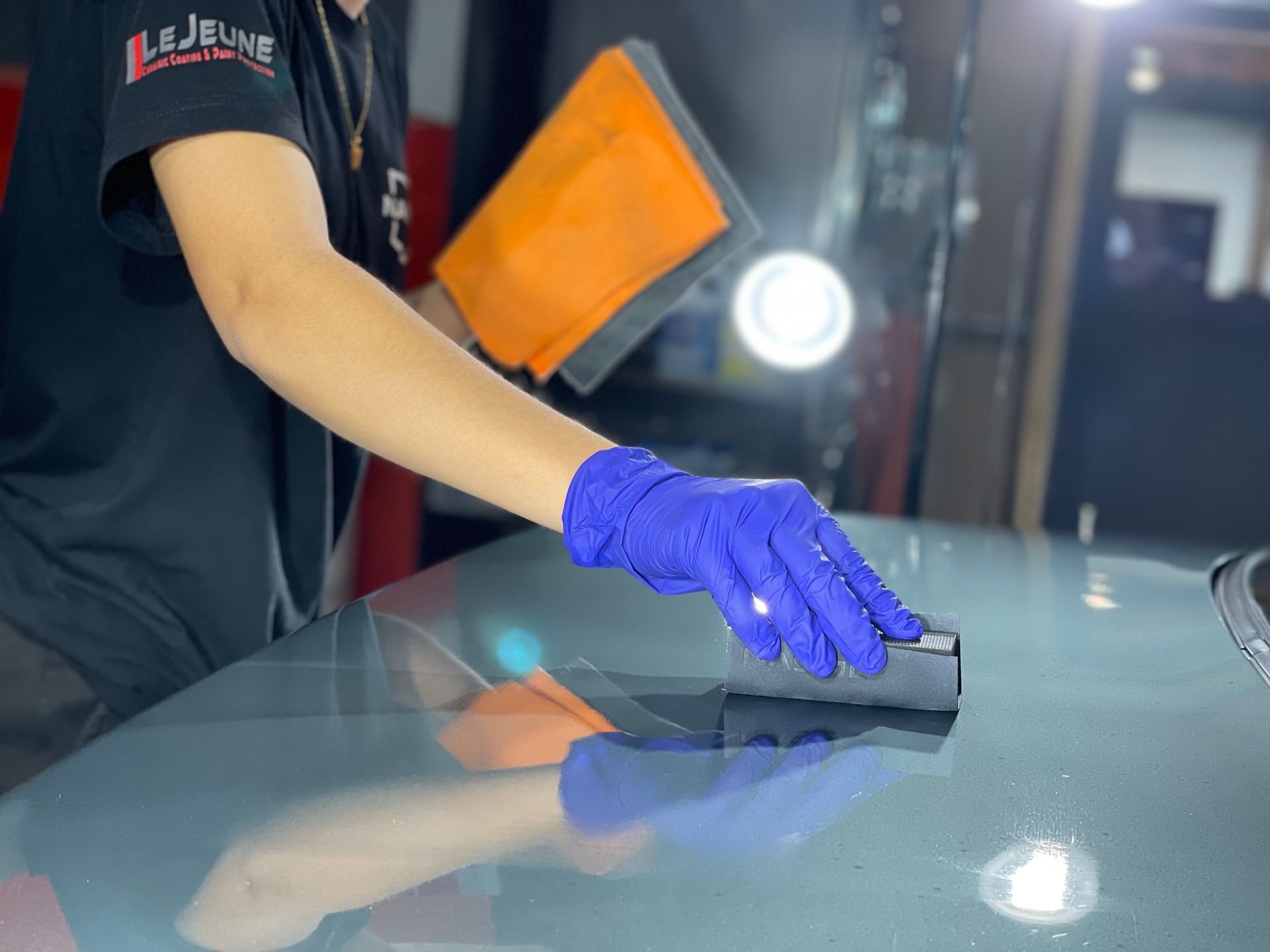
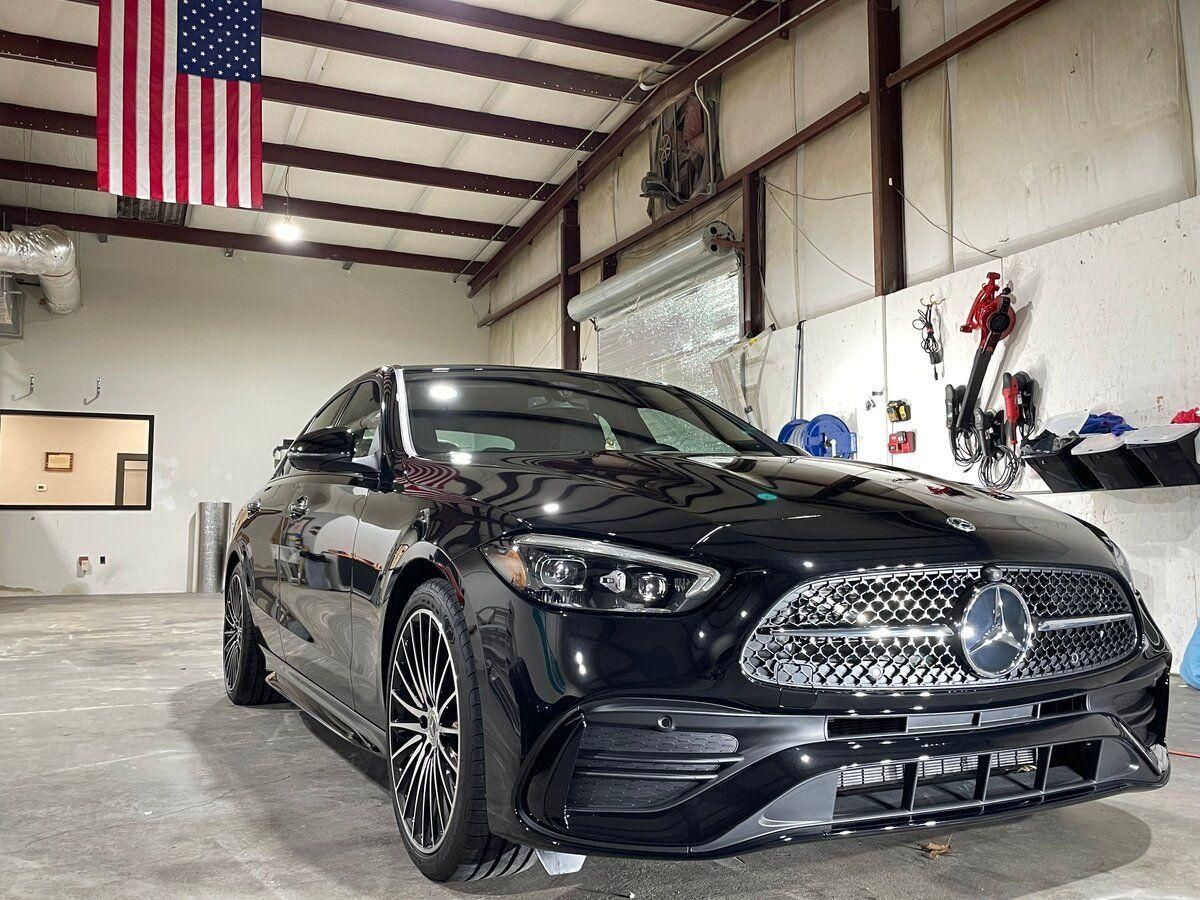
Multi-stage polishing during the correction process works to remove haze and swirl marks so that light can reflect off the paint evenly across every panel. This is the difference between a vehicle that simply looks glossy and one that produces the deep, mirror-like reflection most owners picture when they think about ceramic coating results. Coating applied over corrected paint captures and enhances that true clarity, while coating applied over flawed paint only adds a layer of shine on top of existing imperfections. The visual difference between these two outcomes is often dramatic enough that customers can spot it immediately once the vehicle is finished.
Longer-Lasting Protection and Value for the Investment
Ceramic coating is a significant investment, and its performance is closely tied to how well it was applied to the paint underneath it. Properly corrected paint allows the coating to perform closer to its full-rated lifespan, since there are no trapped contaminants or surface irregularities working against its durability over time. This protects not only the coating itself but also the overall value of the vehicle, since a well-maintained, properly protected finish holds up better against Atlanta's weather extremes for years to come. Our team at LeJeune Ceramic Coating & Paint Protection builds correction into our coating packages for exactly this reason, ensuring customers get the full benefit of what ceramic coating is designed to deliver.
Getting the Best Results From Your Ceramic Coating Investment
The condition of your paint before coating is applied plays a much bigger role in the final outcome than most owners realize, and skipping correction almost always leads to locked-in flaws rather than a truly flawless finish. Professional
ceramic coating installation after proper paint correction helps create a smoother, more consistent finish while allowing the coating to perform as intended. Ceramic coating paint correction should always be treated as a combined process rather than two separate decisions, since one directly determines the success of the other. If you are considering ceramic coating for your vehicle in Atlanta, taking the time to have your paint properly corrected first will make a noticeable difference in how the finished result looks and how long it lasts.
Contact us to learn more about how our correction and coating services work together to give your vehicle the finish it deserves.