What Causes PPF Lifting and How Professional Installers Prevent It
GET A QUOTE CALL (770) 722-3486A properly installed paint protection film is expected to remain firmly bonded to a vehicle's surface while preserving the original finish against everyday driving conditions. When PPF lifting occurs, however, it often signals that something during the installation process was not completed correctly rather than a problem with the film itself. Edges that begin to peel, corners that separate, or sections that lose adhesion can affect both the appearance of the vehicle and the long-term effectiveness of its paint protection. Understanding the reasons behind lifting helps vehicle owners recognize the importance of skilled workmanship and proper installation techniques.
For drivers in Atlanta, GA, changing weather conditions, road debris, frequent rainfall, and daily commuting place continuous stress on every exterior surface of a vehicle. These conditions make proper installation even more important because any weakness in adhesion may become more noticeable over time. At LeJeune Ceramic Coating & Paint Protection, every paint protection film installation is completed with careful preparation and precision to help minimize the risk of PPF lifting while delivering reliable, long-lasting protection.
Poor Surface Preparation Is One of the Leading Causes of PPF Lifting
The quality of any
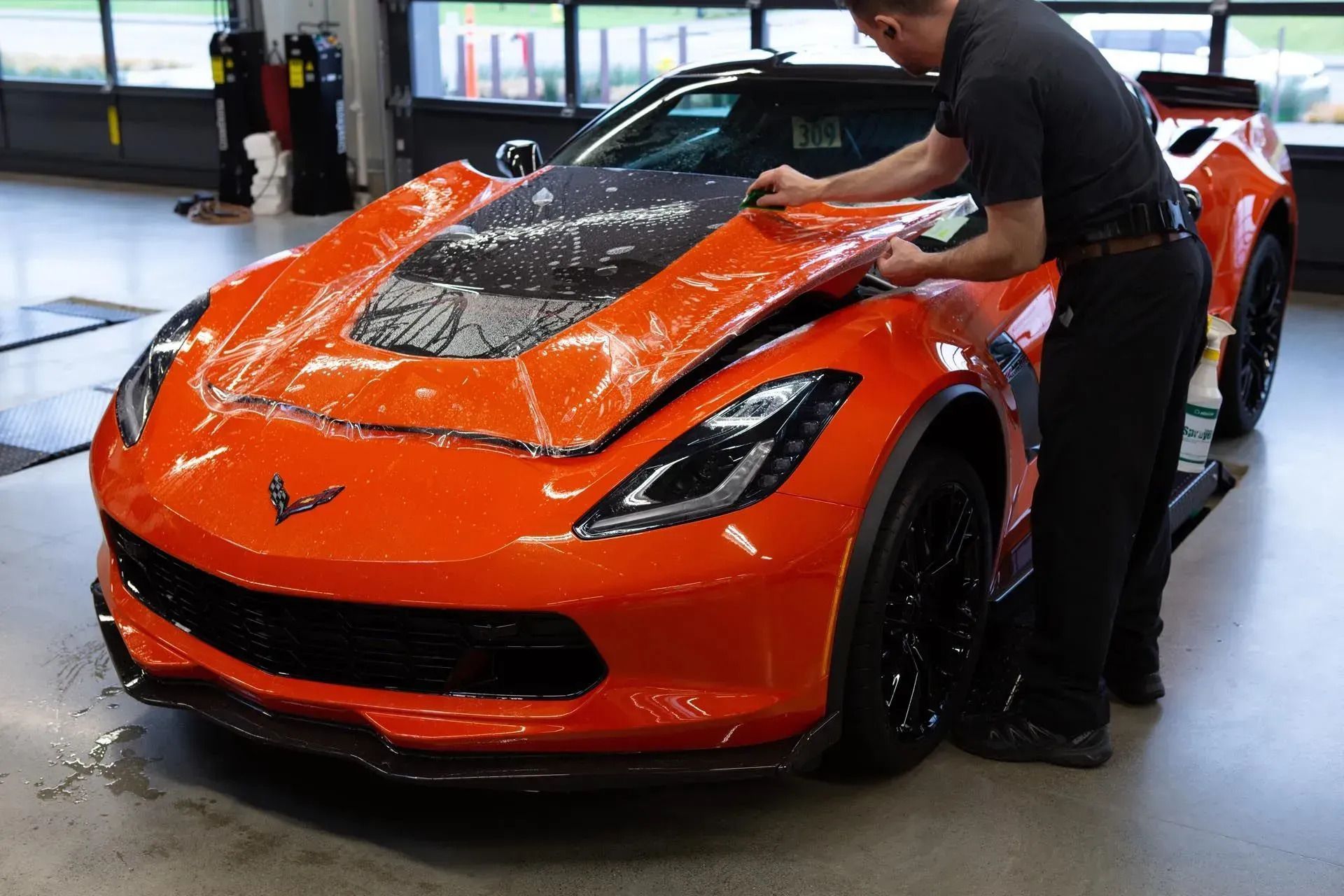
paint protection film installation depends heavily on how well the vehicle's surface is prepared before the film is applied. Dirt, road grime, polishing residue, wax, grease, and even microscopic contaminants can interfere with the adhesive's ability to bond securely with the paint. If these materials remain on the surface, certain areas of the film may fail to adhere completely, creating weak spots that eventually begin to lift around edges or across larger sections. Professional installers take the time to thoroughly clean and decontaminate every panel because a properly prepared surface provides the strong foundation needed for long-lasting adhesion, especially for vehicles exposed to Atlanta, GA's humidity, pollen, and changing weather conditions.
Installation Techniques That Increase the Risk of PPF Lifting
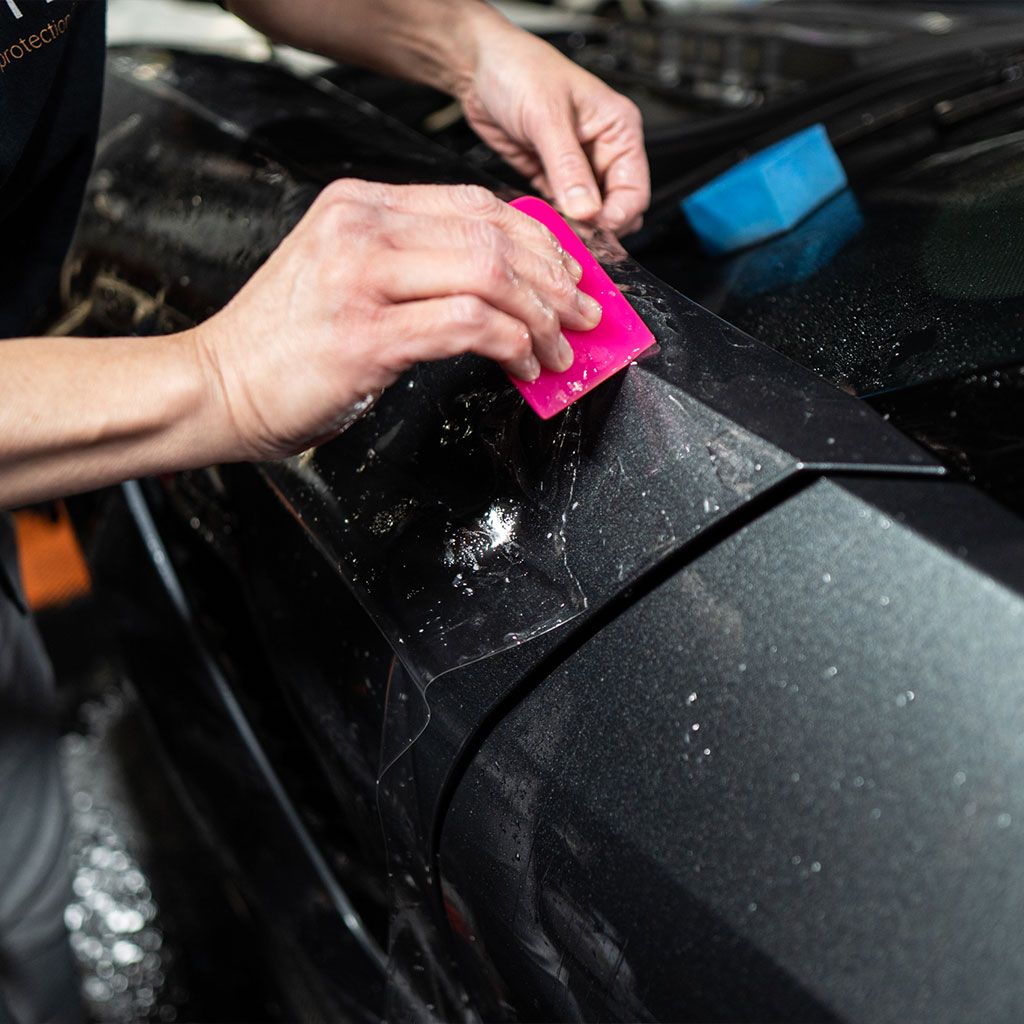
Even after the surface has been properly prepared, the way the film is installed has a significant impact on its long-term performance. Every step of the installation process requires precision because incorrect application methods can create stress within the material or leave vulnerable areas that gradually separate from the paint. Experienced installers follow controlled techniques that promote consistent adhesion while maintaining a smooth, clean finish capable of withstanding everyday driving conditions.
Improper Film Stretching Creates Long-Term Tension
Paint protection film must be carefully positioned over curves and complex body panels, but stretching it more than necessary places constant tension on the material after installation. As the film naturally attempts to return to its original shape, that tension can slowly pull the edges away from the vehicle, resulting in visible PPF lifting over time. Areas around mirrors, bumpers, wheel arches, and sharp body lines are especially susceptible when excessive stretching occurs. Professional installers understand how to balance flexibility with proper placement, allowing the film to conform naturally without creating unnecessary stress that could reduce long-term durability.
Weak Edge Sealing Allows Edges to Separate
The edges of paint protection film experience continuous exposure to airflow, rain, road debris, washing, and environmental contaminants, making them one of the most demanding areas of the installation. When these edges are not properly secured, small gaps may develop that allow moisture, dirt, and air to work beneath the film, gradually weakening the adhesive bond. What begins as a slightly raised corner can eventually spread across a much larger portion of the installation if left unchecked. Professional installers pay close attention to every exposed edge, ensuring each section is properly finished and securely bonded to help reduce the possibility of premature lifting.
Dirt and Moisture Trapped Under the Film Can Affect Adhesion
A clean-looking vehicle does not always have a perfectly clean surface, and even tiny particles of dust or moisture can interfere with the bonding process if they become trapped beneath the film. Contaminants create small gaps between the adhesive and the paint, preventing uniform contact and reducing the overall strength of the installation. Moisture that remains beneath the film for too long can also delay proper bonding, particularly in humid environments like Atlanta, GA, where environmental conditions may affect curing. Professional installers work in controlled conditions and carefully inspect every panel throughout the application process to minimize contamination and help achieve consistent adhesion across the entire vehicle.
Low-Quality Installation Practices Reduce Long-Term Performance
The durability of paint protection film depends not only on the quality of the material but also on the experience and attention to detail of the installer. Rushed applications, inaccurate alignment, inconsistent squeegee pressure, improper trimming, and poor handling techniques can all contribute to PPF lifting, even if these flaws are not immediately visible after installation. Over time, everyday exposure to heat, moisture, road debris, and regular washing places additional stress on these weak areas, causing lifting that could have been avoided through proper workmanship. At LeJeune Ceramic Coating & Paint Protection, every installation is completed with precision, patience, and proven application methods to help ensure lasting adhesion, a refined appearance, and dependable paint protection for vehicles throughout Atlanta, GA.
How Professional Installers Prevent PPF Lifting
Preventing PPF lifting begins with a disciplined installation process that prioritizes accuracy, cleanliness, and attention to detail at every stage. Professional installers understand that long-term adhesion depends on far more than simply applying the film to the vehicle's surface. Every step, from preparing the paint to securing the final edges, contributes to the film's ability to remain firmly bonded under daily driving conditions. By following proven installation methods and allowing the adhesive to perform as intended, professionals help maximize both the durability and appearance of the finished installation.
Thorough Surface Cleaning Before Installation
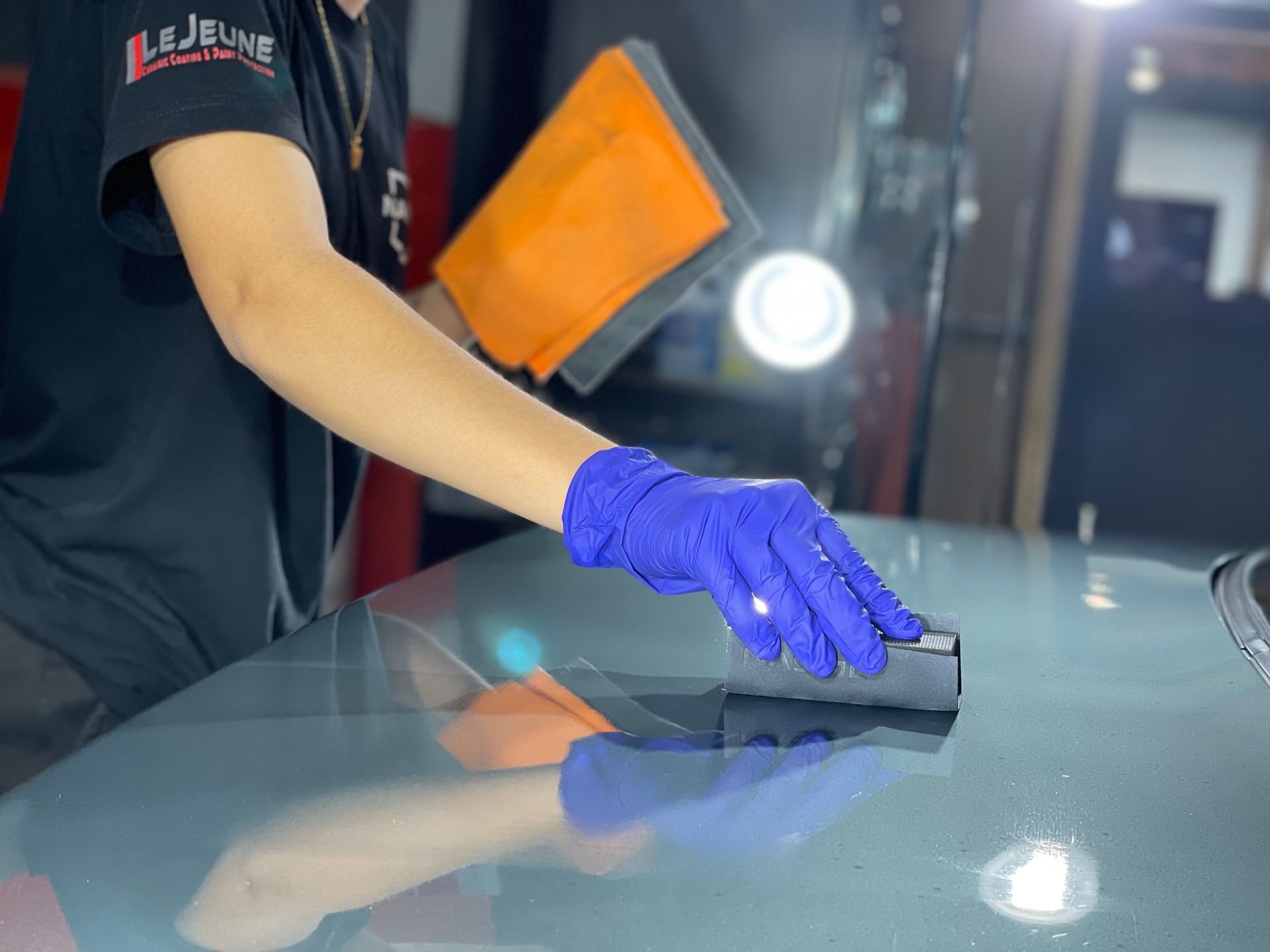
Professional installation starts with an extensive cleaning and decontamination process that removes wax, grease, polishing oils, road film, and embedded contaminants that cannot always be seen with the naked eye. Every painted panel is carefully inspected to ensure the adhesive will make full contact with the surface without interference from residue or debris. This preparation creates a consistent bonding surface that supports stronger adhesion while reducing the likelihood of air pockets or weak areas forming beneath the film. Investing time in proper surface preparation is one of the most effective ways to prevent PPF lifting and improve the long-term performance of the installation.
Precision Installation and Proper Curing Improve Long-Term Results
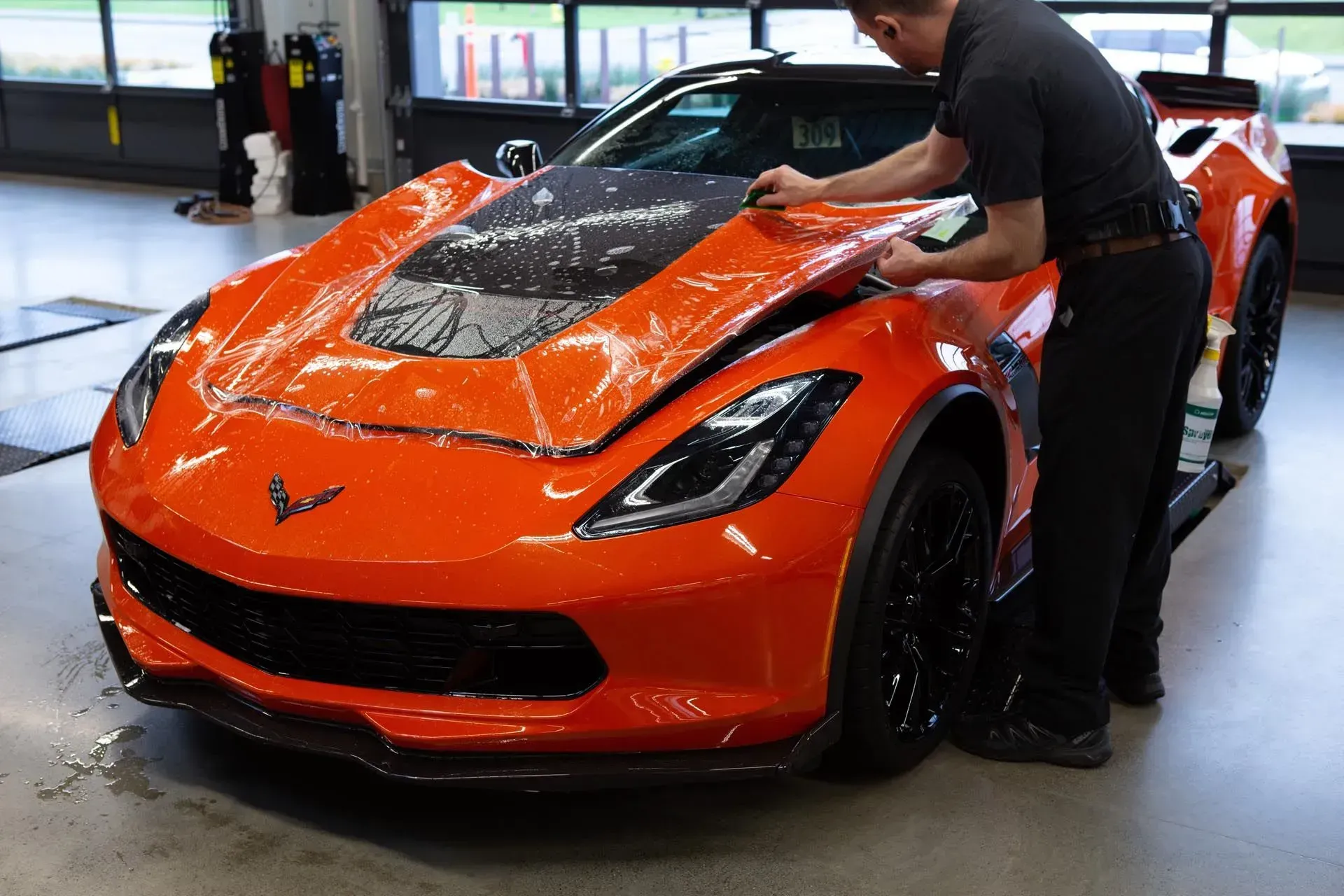
Experienced installers rely on computer-cut patterns, controlled film positioning, balanced tension, and consistent application techniques to achieve a precise fit across every panel of the vehicle. Once the film is applied, careful edge finishing helps secure the most vulnerable areas while maintaining a clean, nearly invisible appearance. Equally important is allowing the adhesive enough time to cure without unnecessary disturbance, as this process strengthens the bond between the film and the paint. Proper curing, combined with expert installation techniques, significantly reduces the chances of PPF lifting while supporting lasting durability under everyday driving conditions.
Why Professional PPF Installation Delivers Better Long-Term Paint Protection in Atlanta, GA
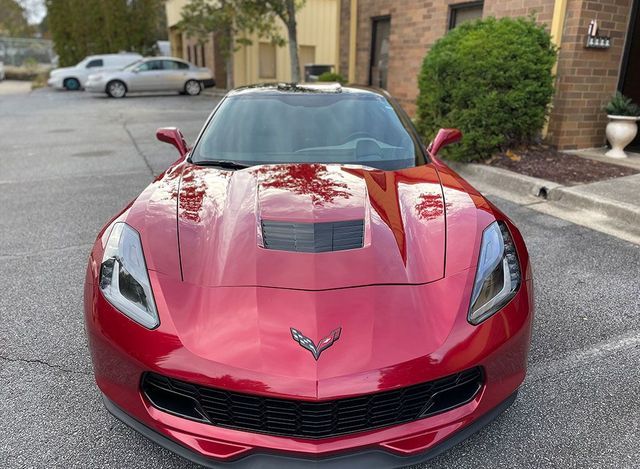
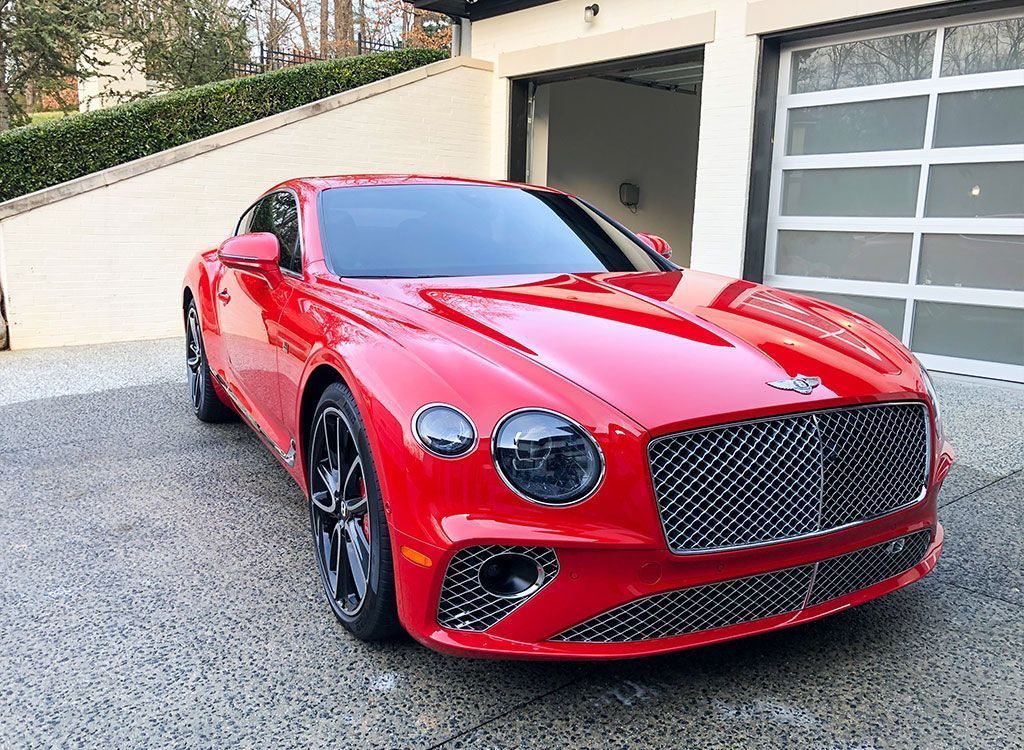
Choosing professional installation provides benefits that extend well beyond the day the film is applied. Vehicles driven throughout Atlanta, GA, encounter intense sunlight, seasonal humidity, frequent rainfall, road debris, and changing temperatures that continually test the strength of the film's adhesion. Professional installers account for these environmental factors by using proven application methods that promote secure bonding and reliable edge retention over time. At LeJeune Ceramic Coating & Paint Protection, every paint protection film installation is completed with meticulous attention to preparation, fitment, and finishing, helping vehicle owners reduce the risk of PPF lifting while preserving the appearance and value of their vehicles for years to come.
Why Professional Installation Is the Best Defense Against PPF Lifting
Although PPF lifting can develop for several reasons, it is most often linked to preventable installation issues such as inadequate surface preparation, excessive film stretching, weak edge sealing, trapped contaminants, and rushed application techniques. Addressing these factors through professional installation greatly improves the film's ability to remain securely bonded while maintaining a smooth and attractive finish. By choosing experienced specialists like LeJeune Ceramic Coating & Paint Protection, vehicle owners in Atlanta, GA, can enjoy dependable paint protection, enhanced durability, and long-lasting performance that helps keep their vehicles looking their best despite the demands of everyday driving. Protect your vehicle with expert paint protection film installation from LeJeune Ceramic Coating & Paint Protection.
Contact our team today to schedule your PPF service in Atlanta, GA, and enjoy long-lasting protection against everyday road hazards while helping reduce the risk of PPF lifting.